SantiÁvila
Visual artist · Asunción, Paraguay
Screen printing, acrylic, watercolour and mixed media. Work shaped by skate culture, graphic design and the historical archive of Paraguay.
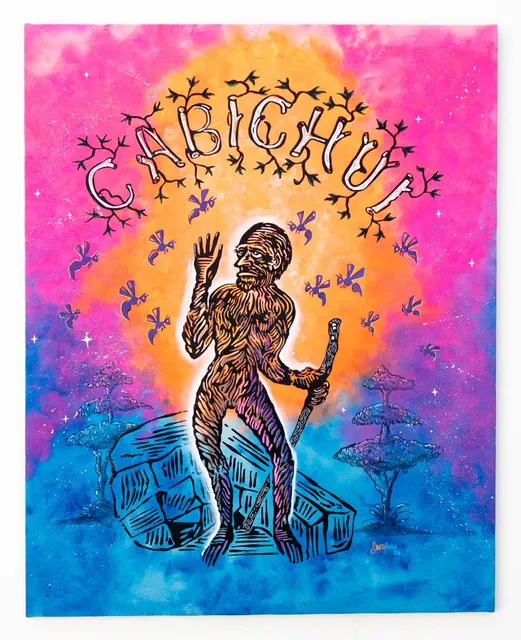
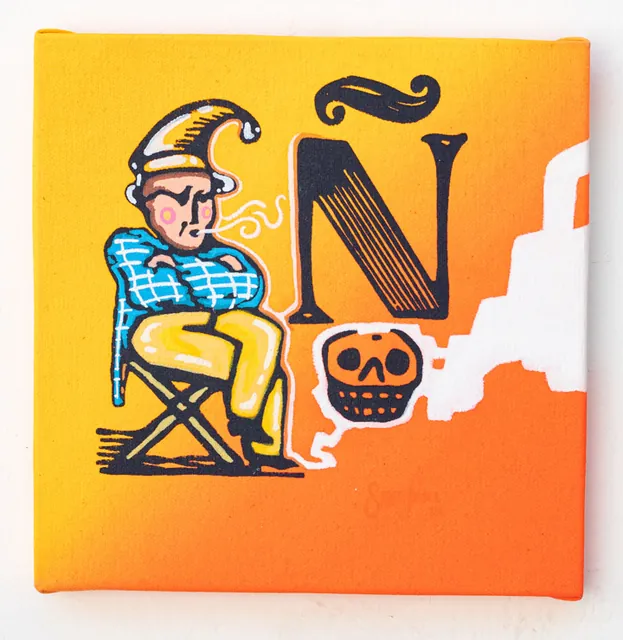
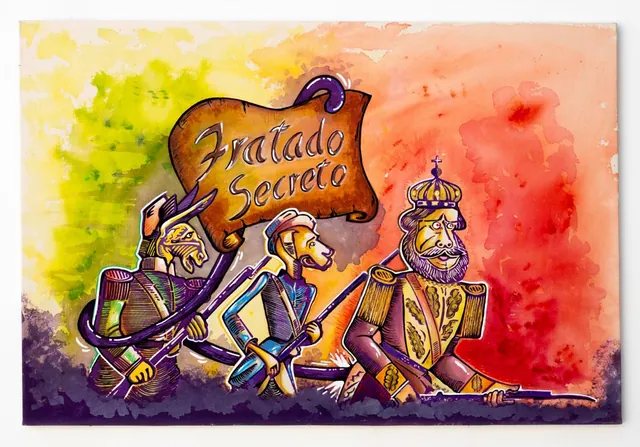
Screen printing is the backbone. Around it, a technical vocabulary that recognises no limits: a constant dialogue between the handmade and the industrial.
Santi Ávila (Asunción, 1982) builds his work on an unconventional meeting point between the graphic tradition and the agility of urban culture. He grew up immersed in the world of the visual arts, a heritage he has decoded and carried over into more direct, contemporary languages.
His practice, formally established in 2022, is an exercise in material alchemy. Screen printing is the structural axis of his work, but Ávila deploys an expansive technical vocabulary where acrylic, watercolour and a wide range of mixed media converge. His process is an assembly in which the rigour of printmaking, urban gesture and experiments with diverse materials coexist, challenging the flatness of both the canvas and the computer screen.
For Ávila, the work does not end at the stretcher. It appears with equal intensity on textiles, where clothing stops being a commercial vehicle and becomes an art object loaded with historical and urban context.
Shaped by a skate culture that taught him to read the architecture of the city, the artist approaches every surface — paper, fabric or tablet — as a chance to rewrite history. The result is deeply tactile work, where the historical archive is reworked and given new meaning through a technical, experimental and, above all, visceral lens.
- Screen printing
- Acrylic
- Watercolour
- Industrial inks
- Digital illustration
- Textile & apparel
- Typographic composition
- Mixed media
TrincheraSeries of works · 2026
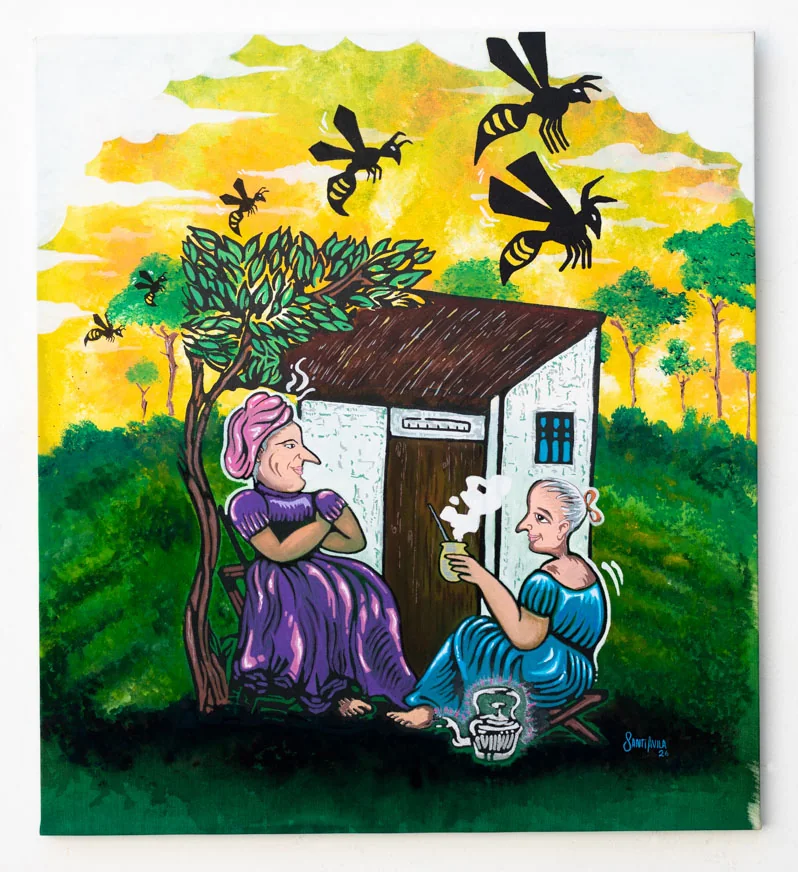
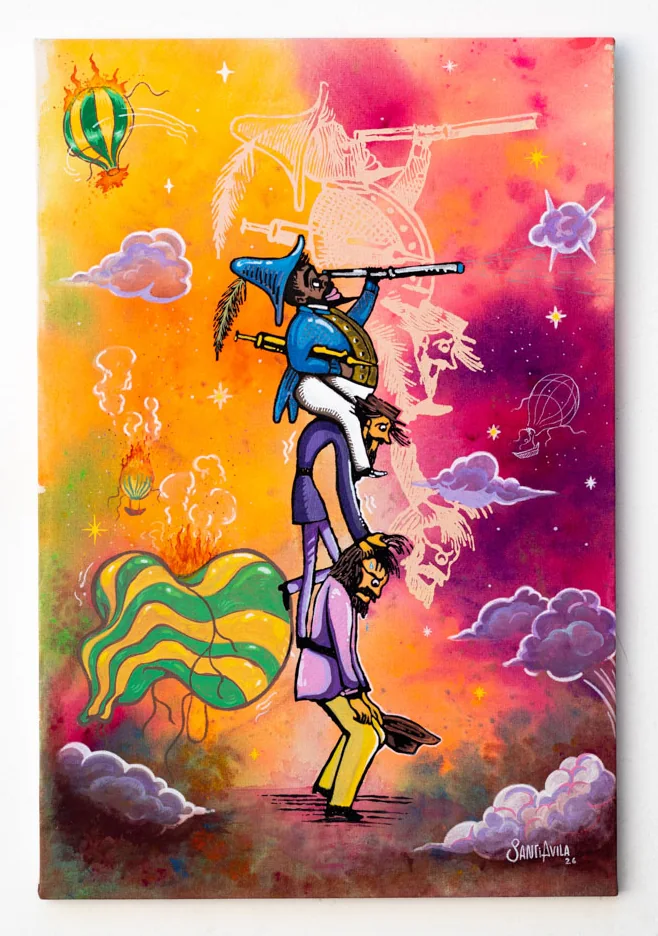
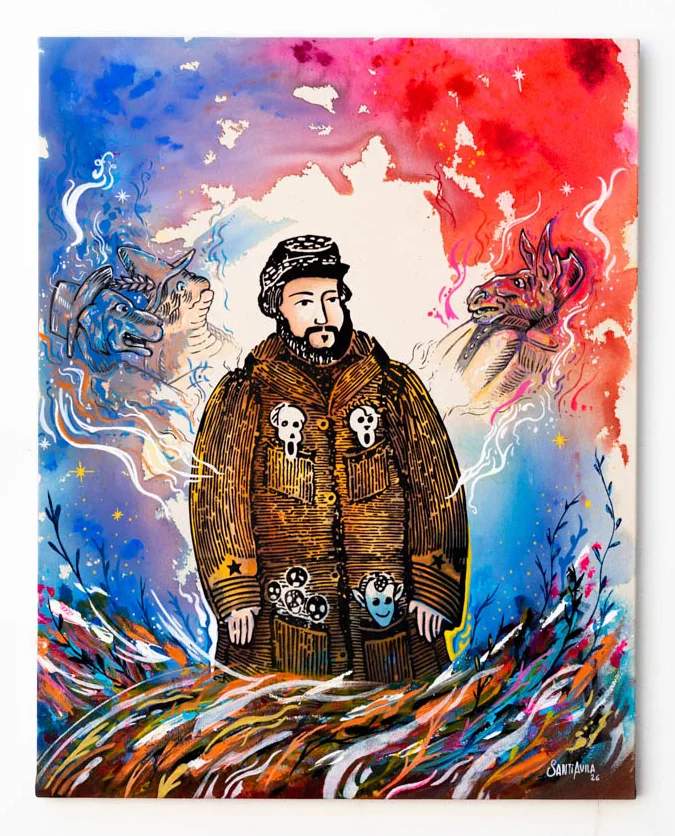
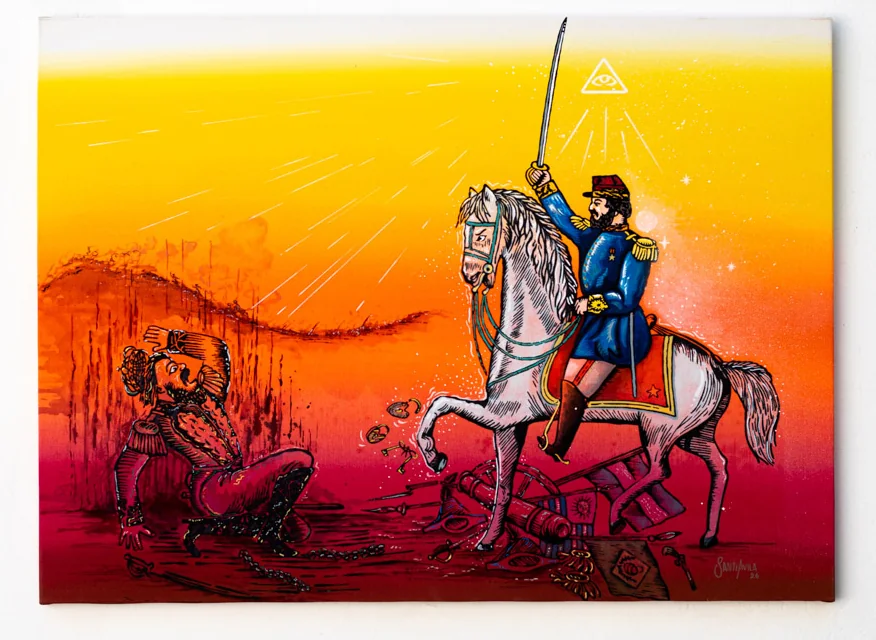
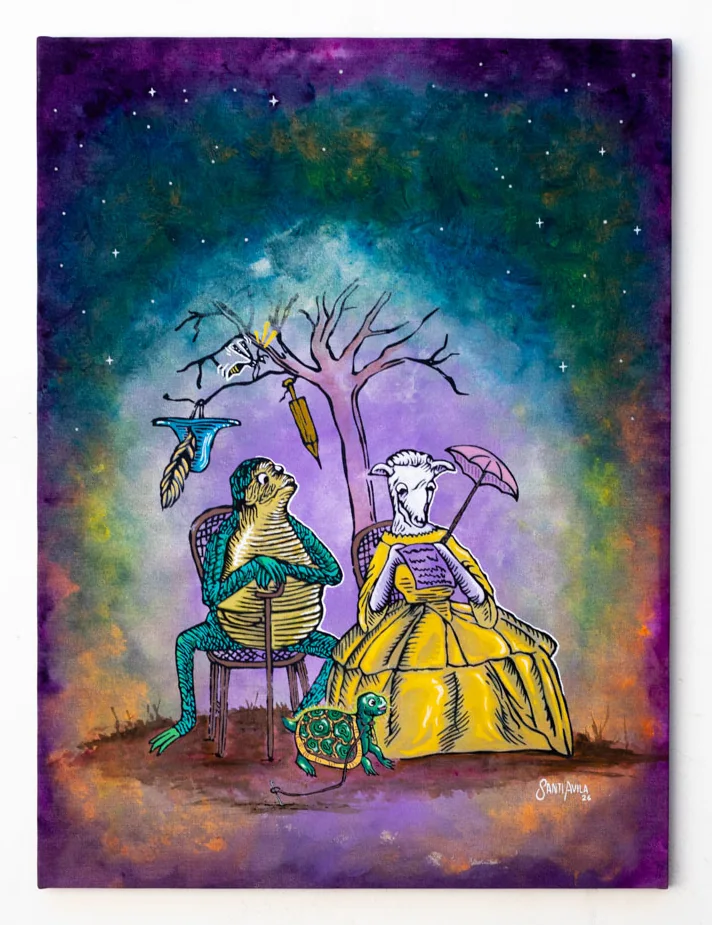
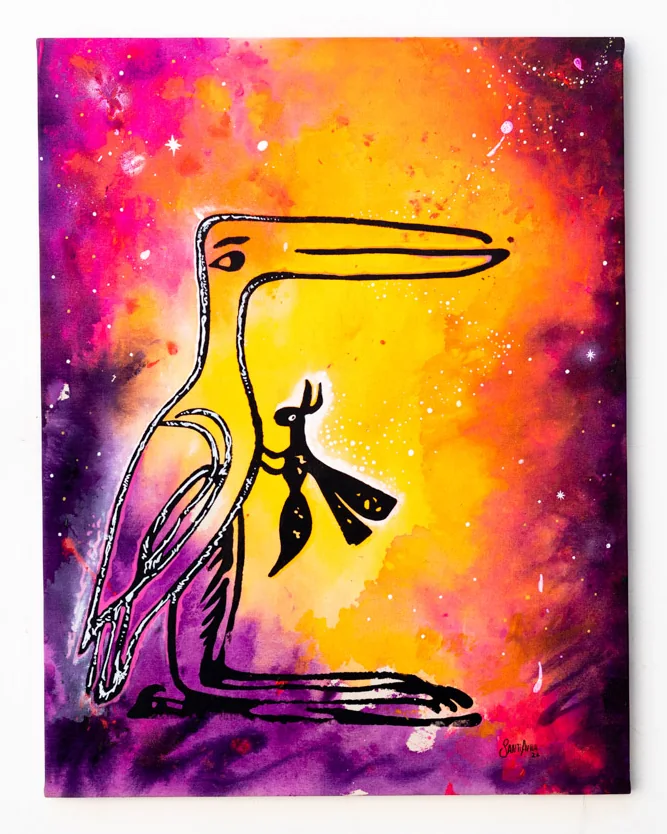
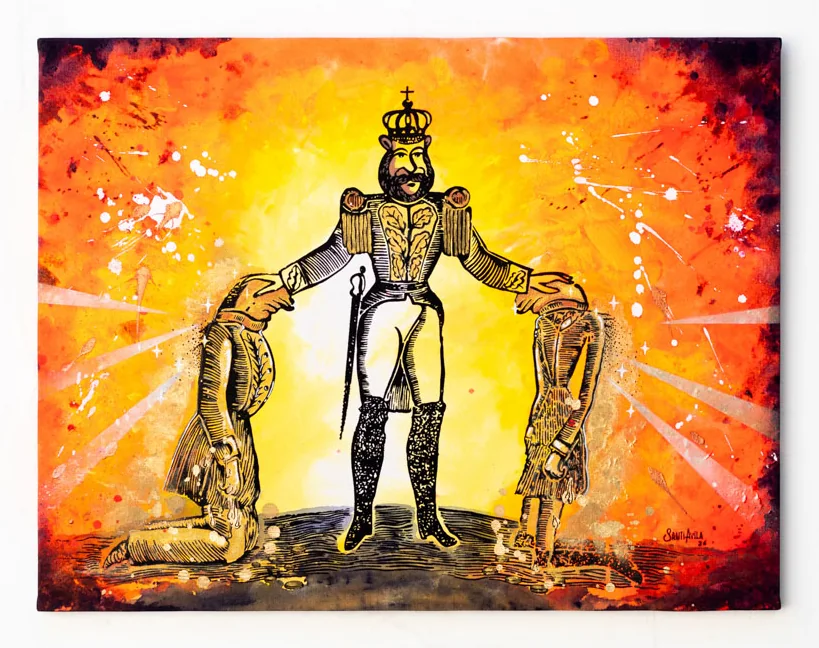
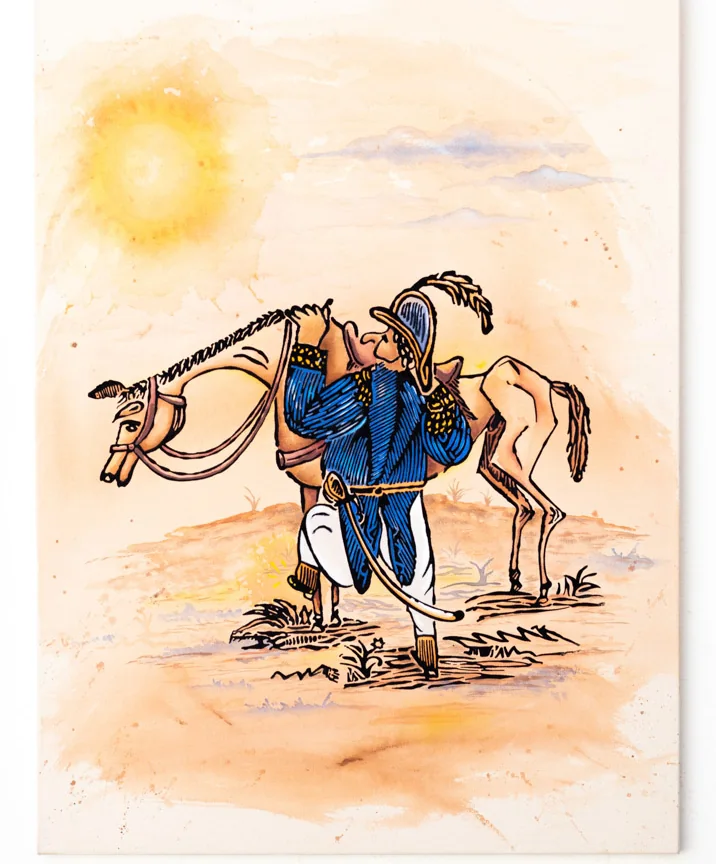
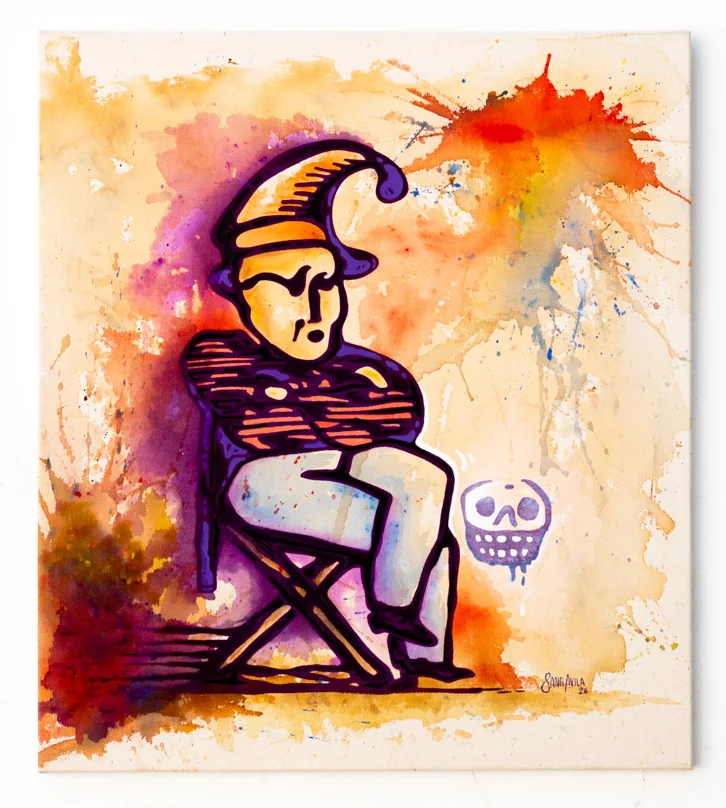
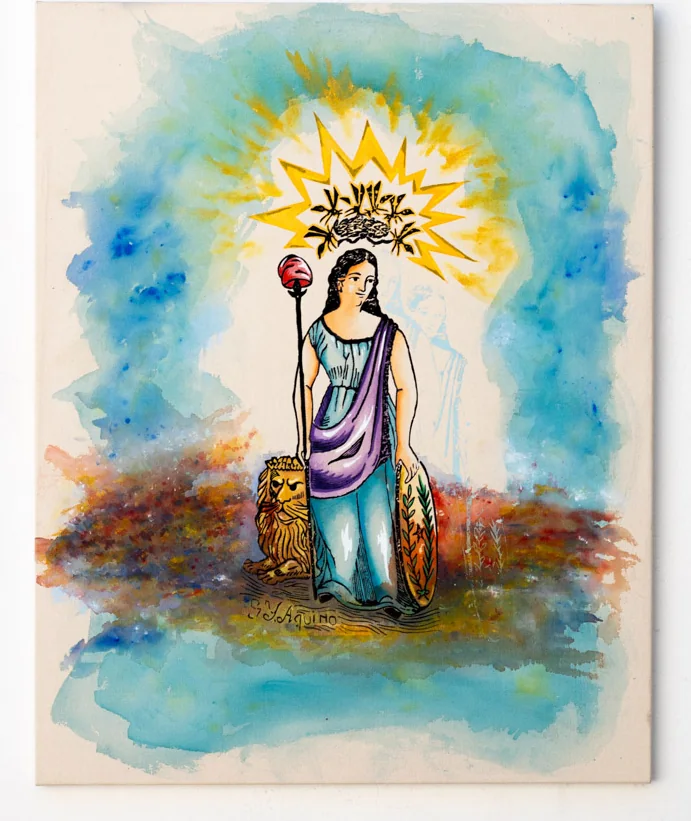
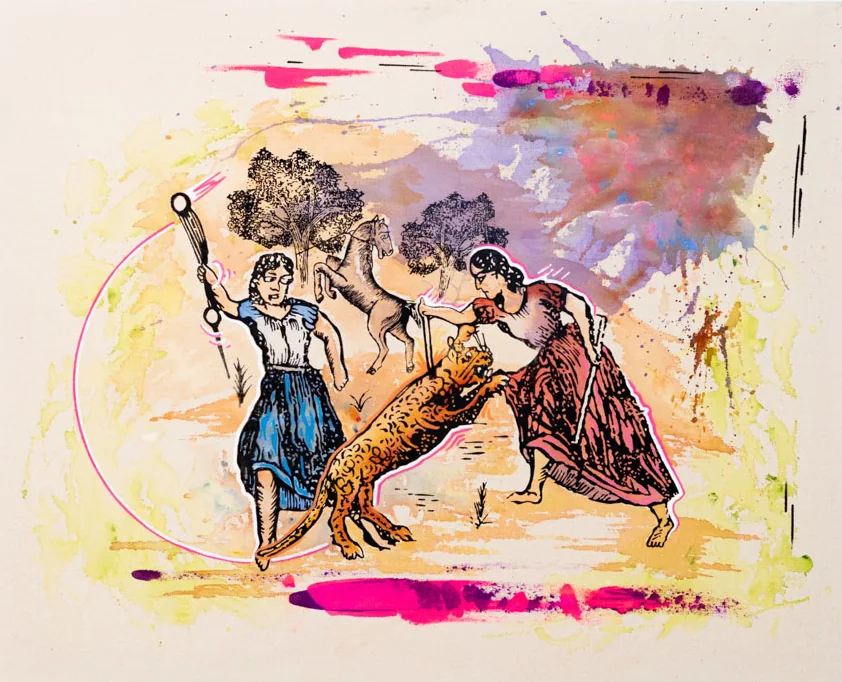
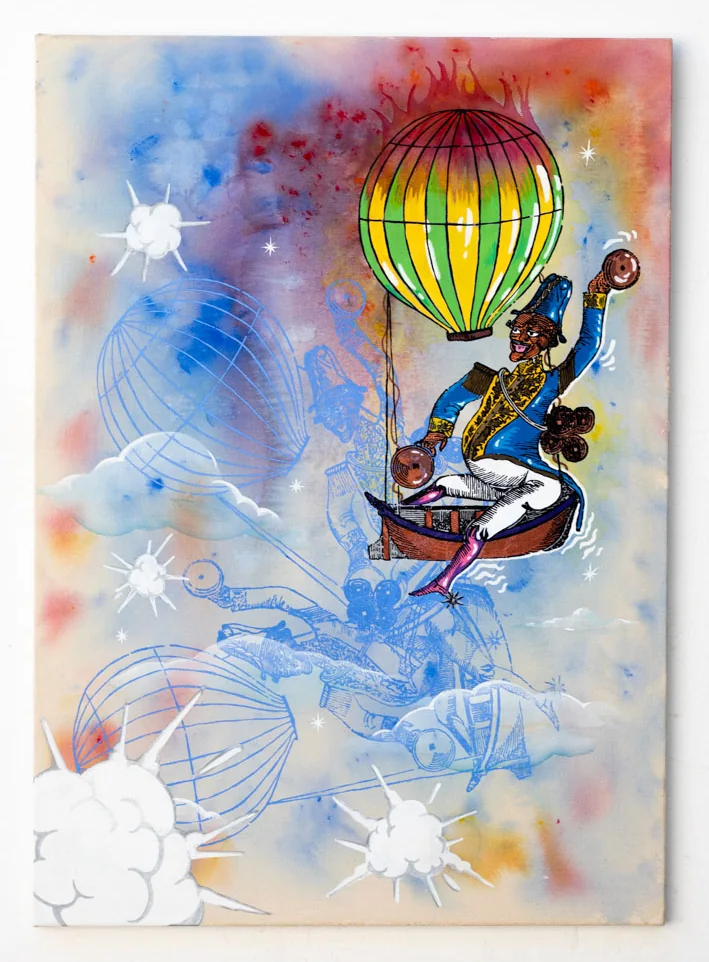
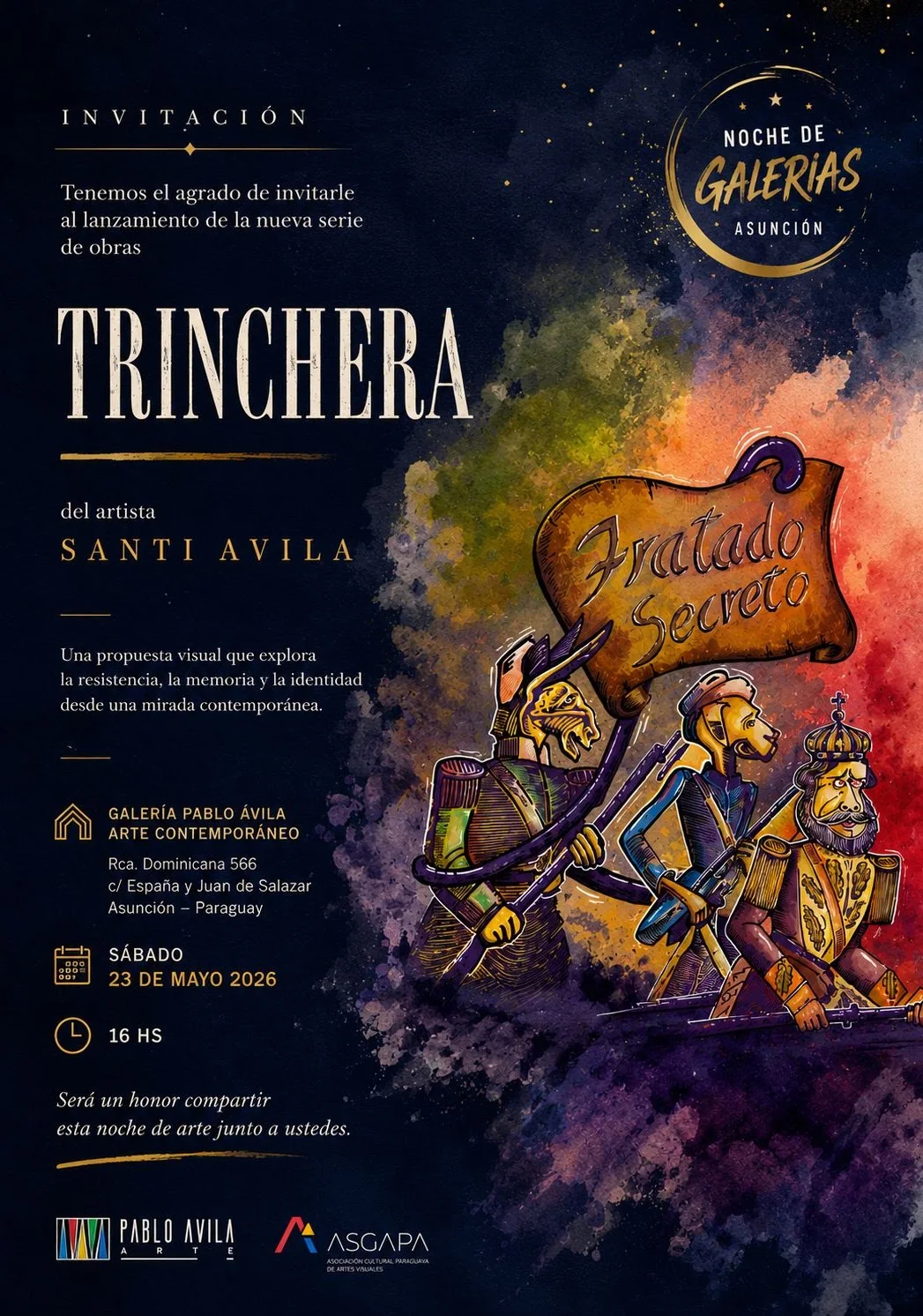
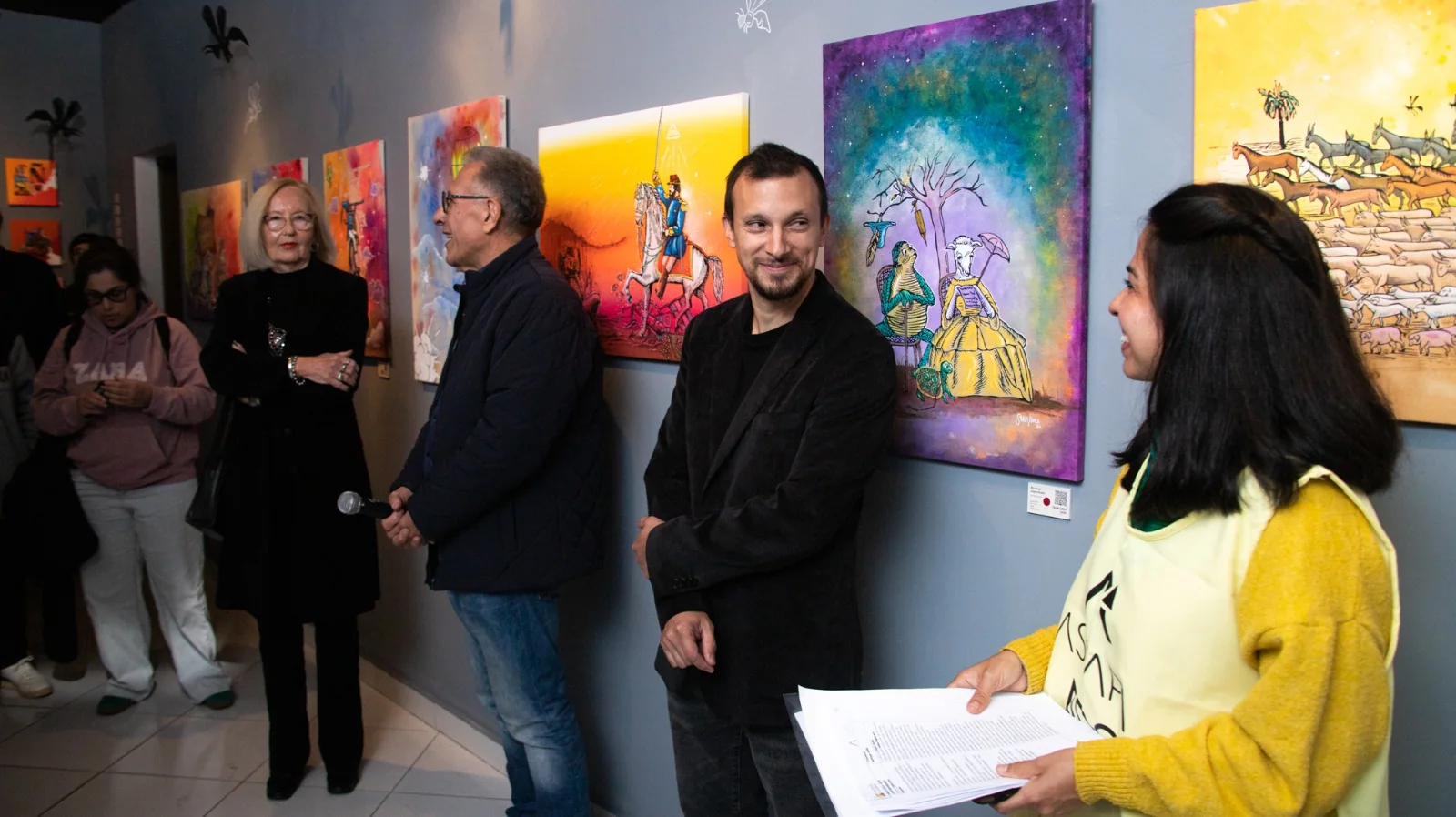
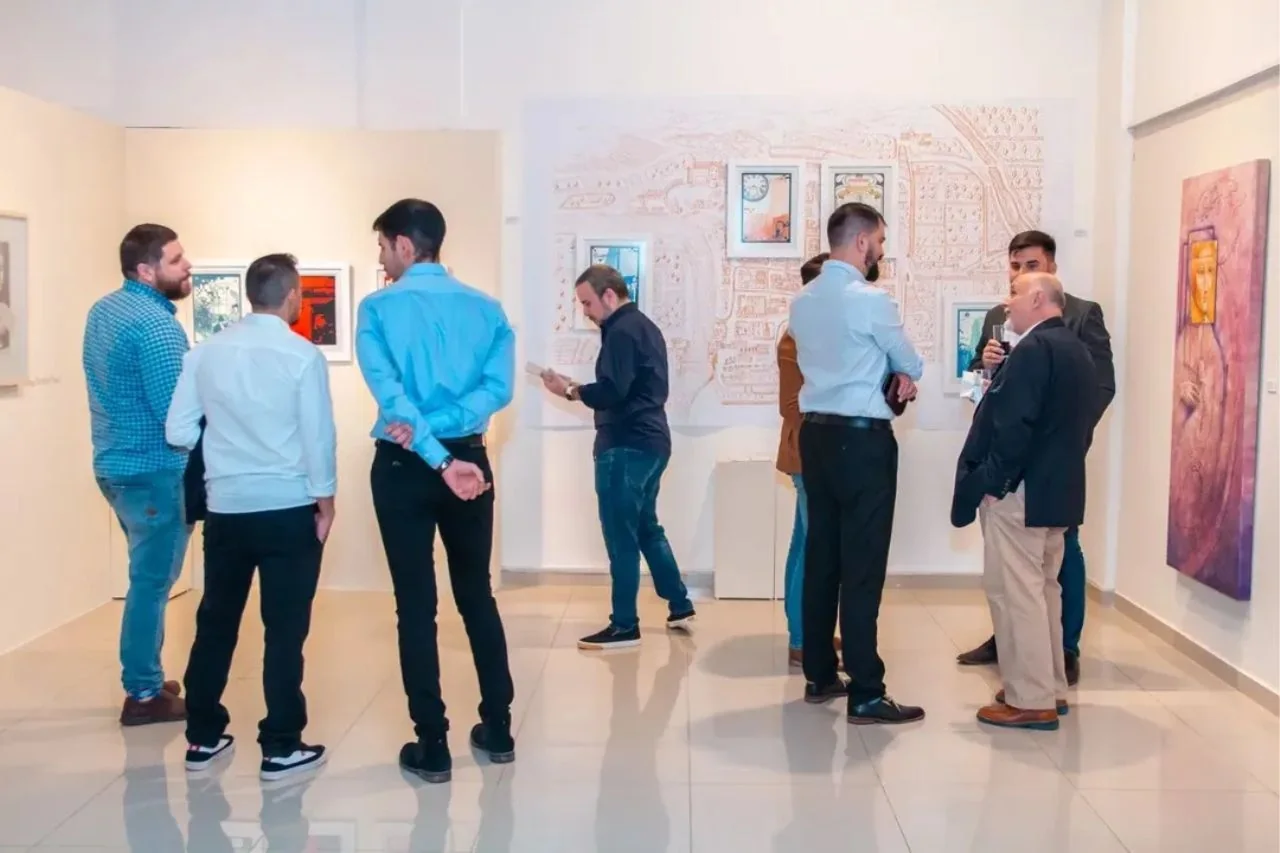
Trinchera (“Trench”) is Santi Ávila’s most recent series. It opened on 23 May 2026 at Galería Pablo Ávila Arte Contemporáneo in Asunción, as part of Noche de Galerías (Gallery Night).
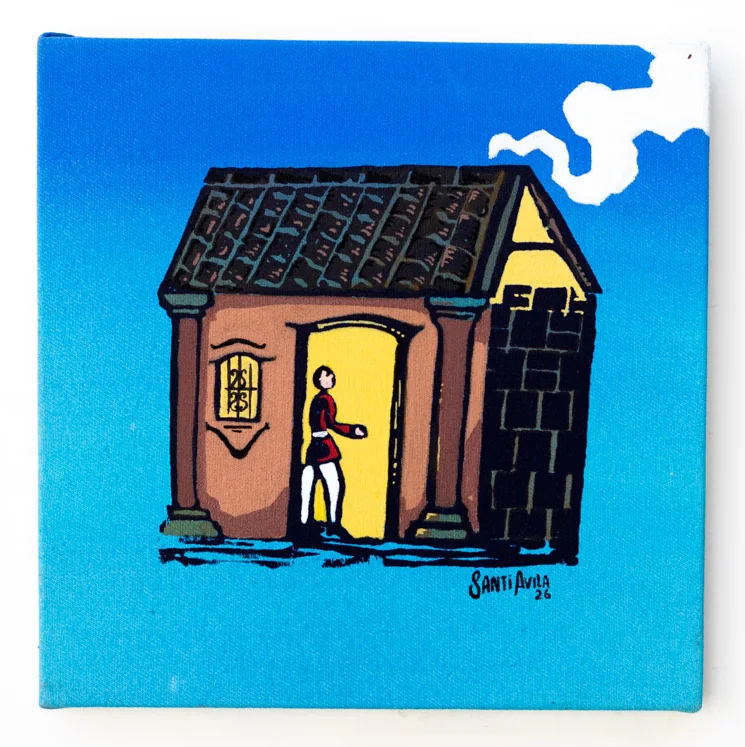
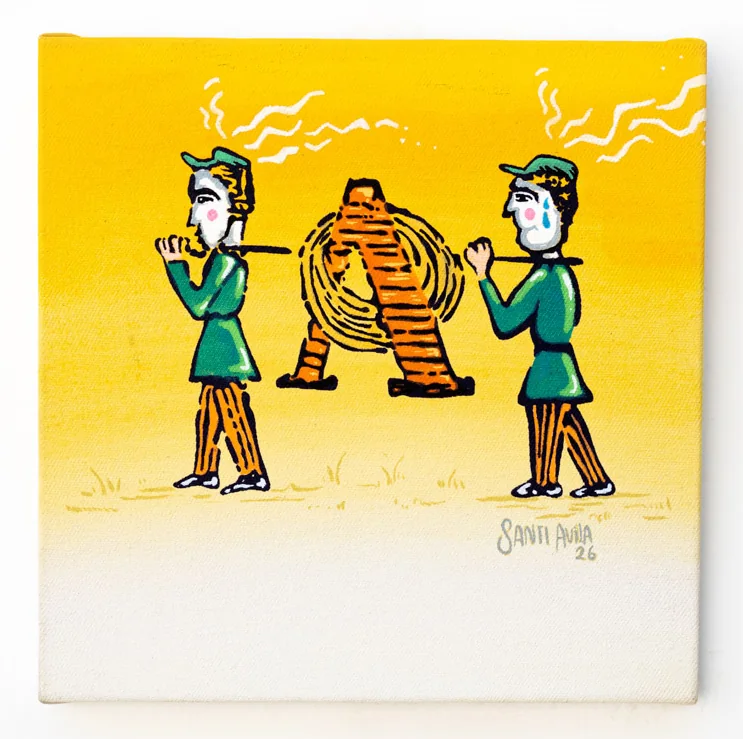
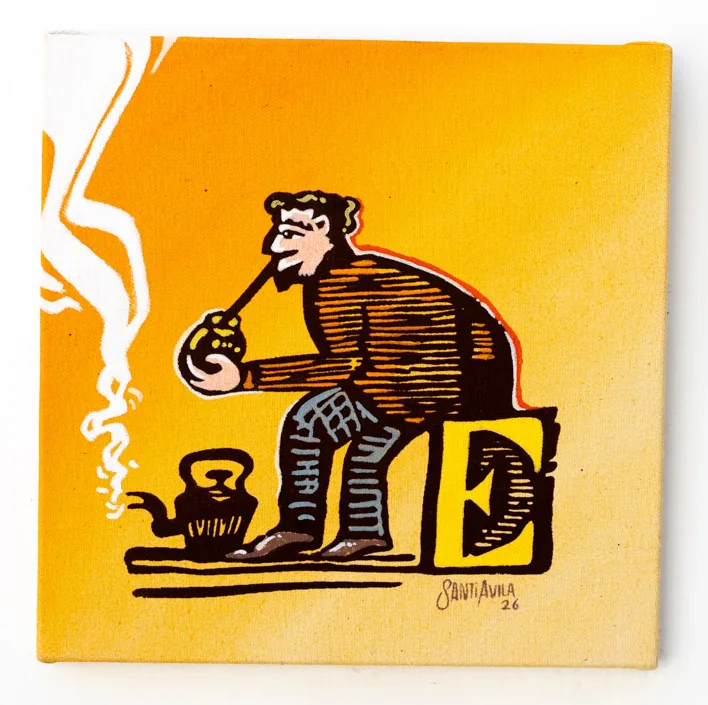
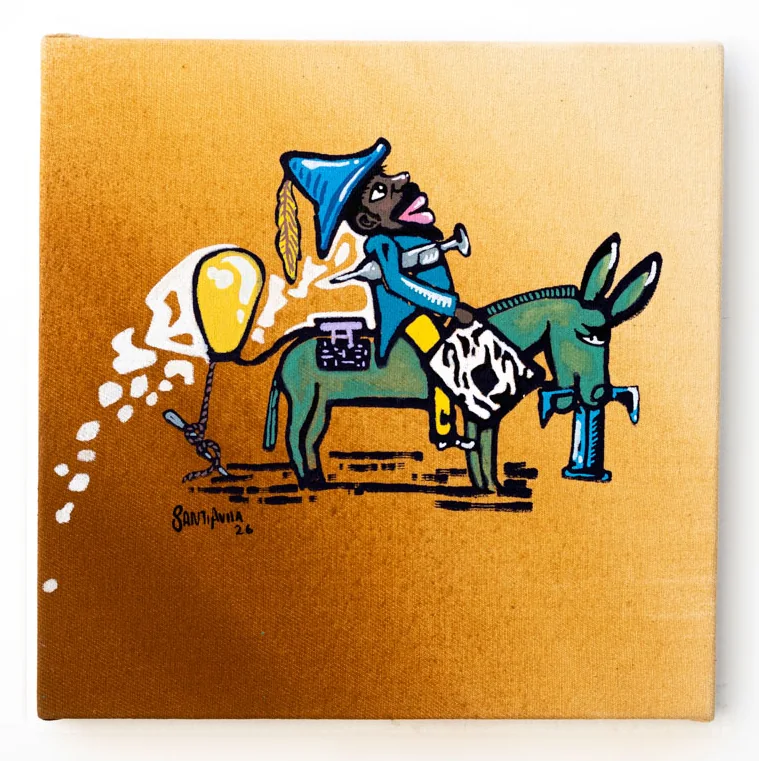
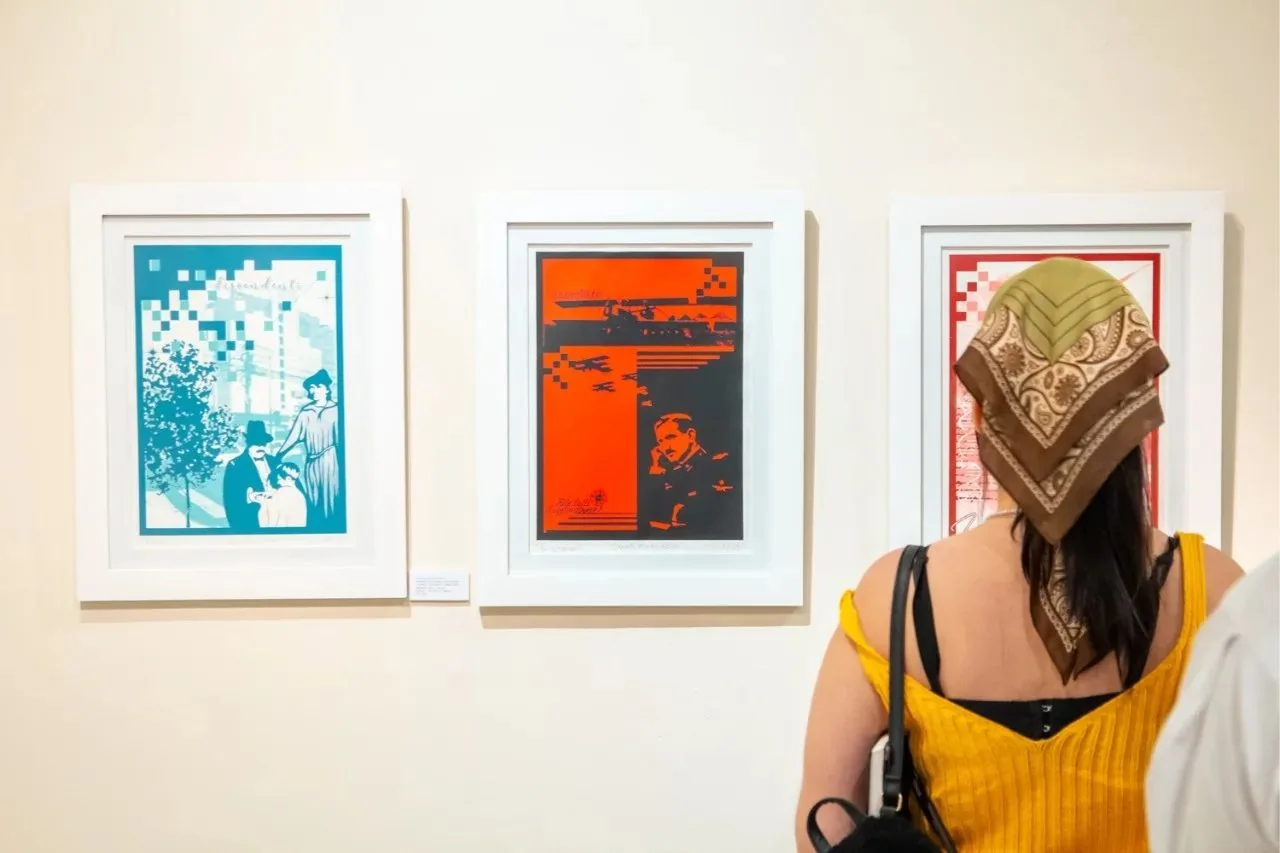
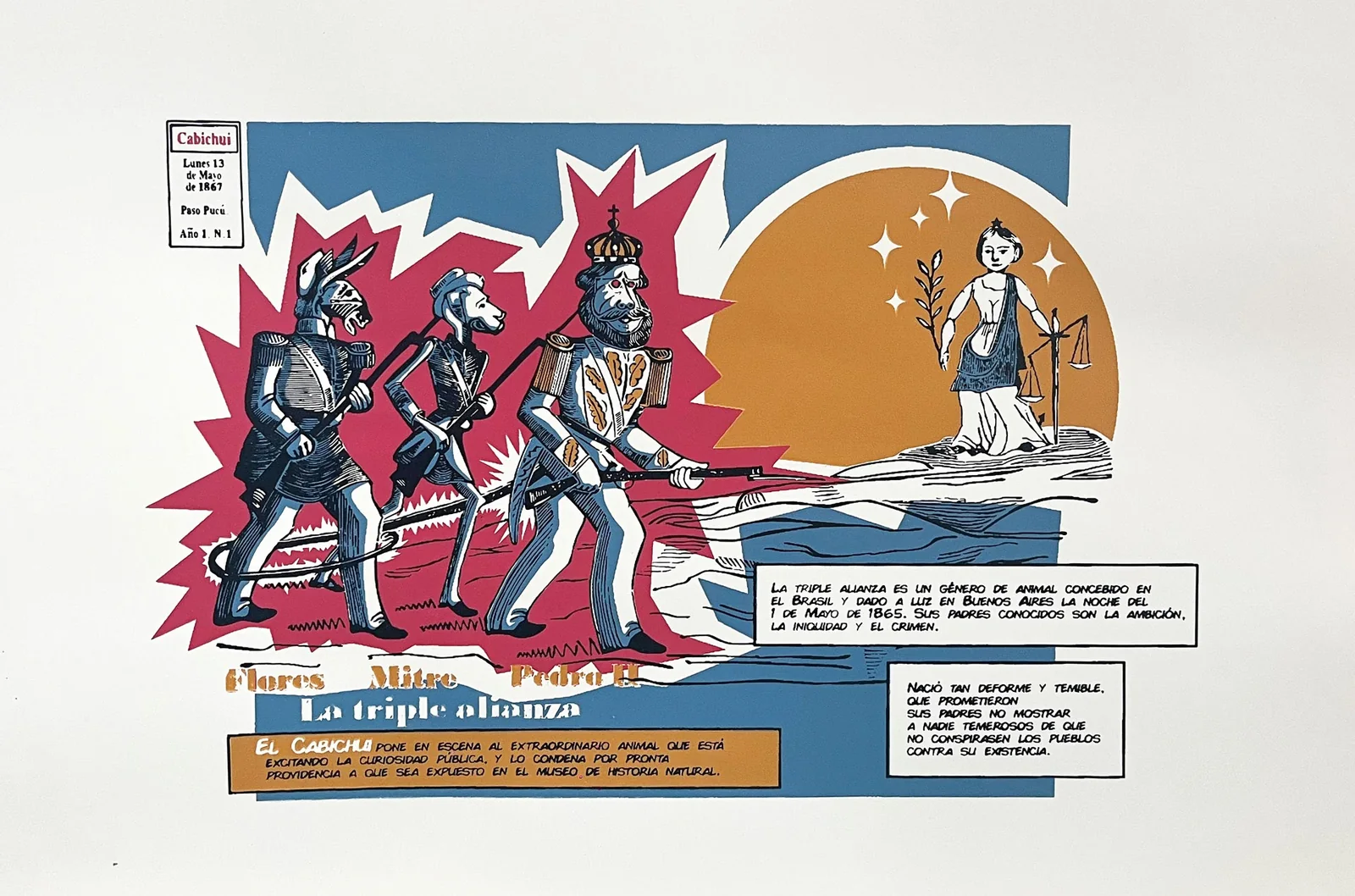
Its starting point is Cabichuí, the satirical newspaper printed in the Paraguayan trenches during the War of the Triple Alliance (1867–1868). Ávila does not replicate that archive: he reworks it with colour, layers and contemporary materials, and brings it into the present.
Works
Mixed media on canvas and paper: screen printing, acrylic, watercolour and ink.
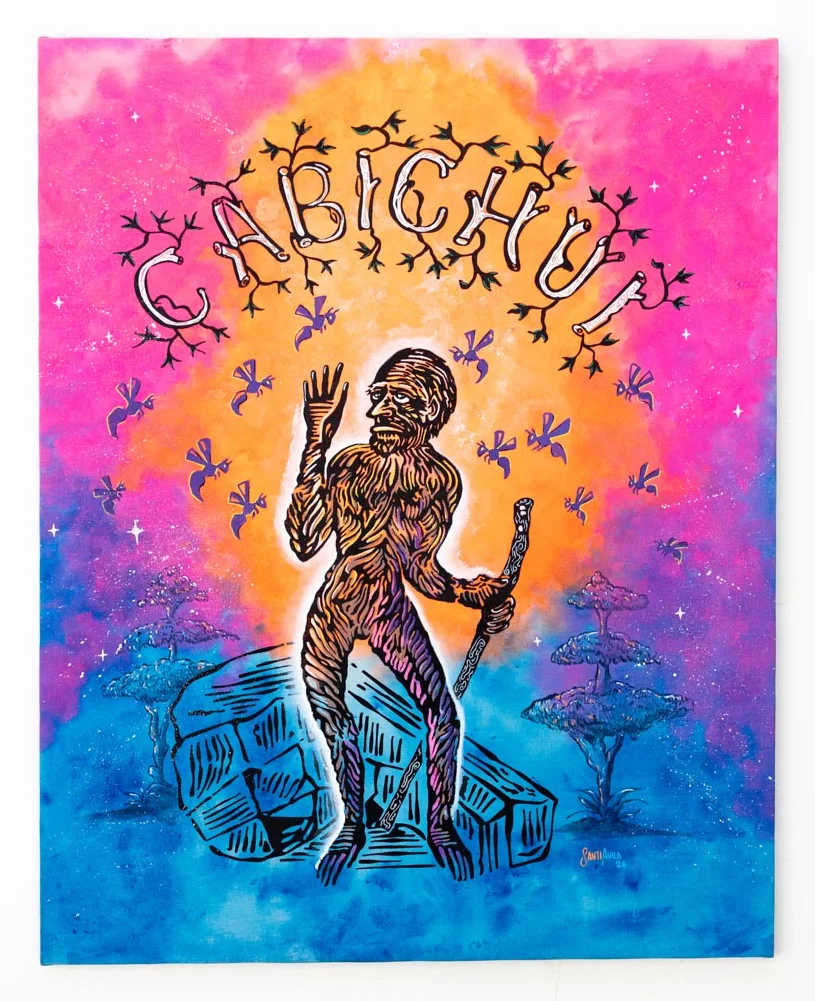
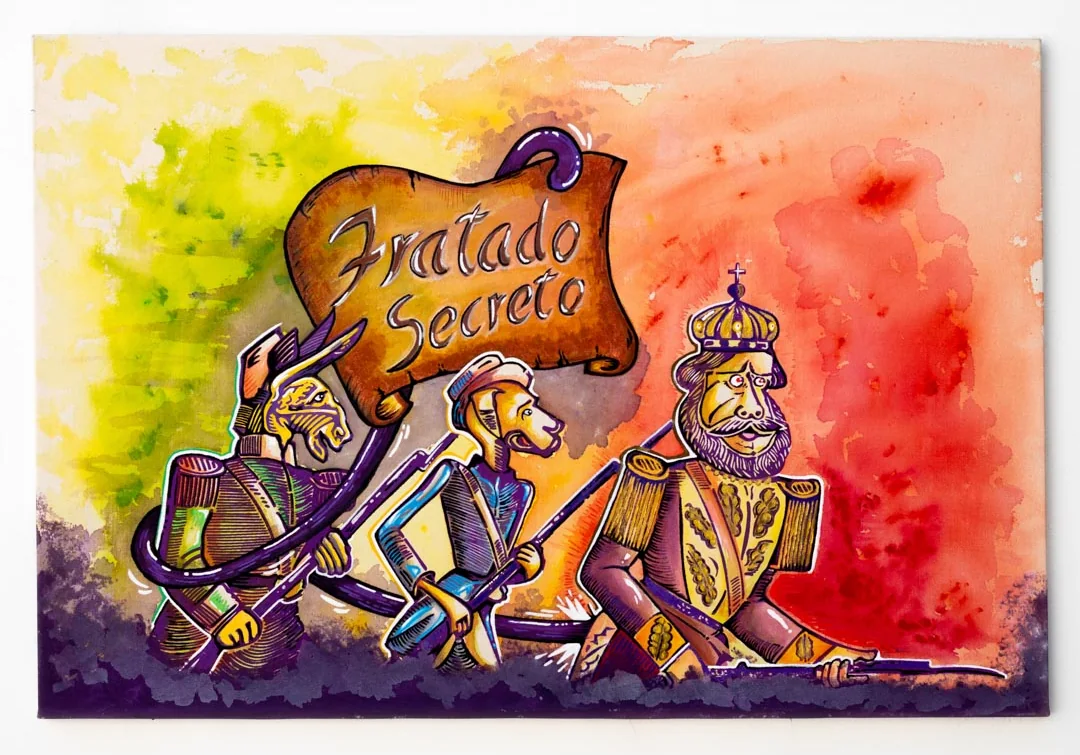
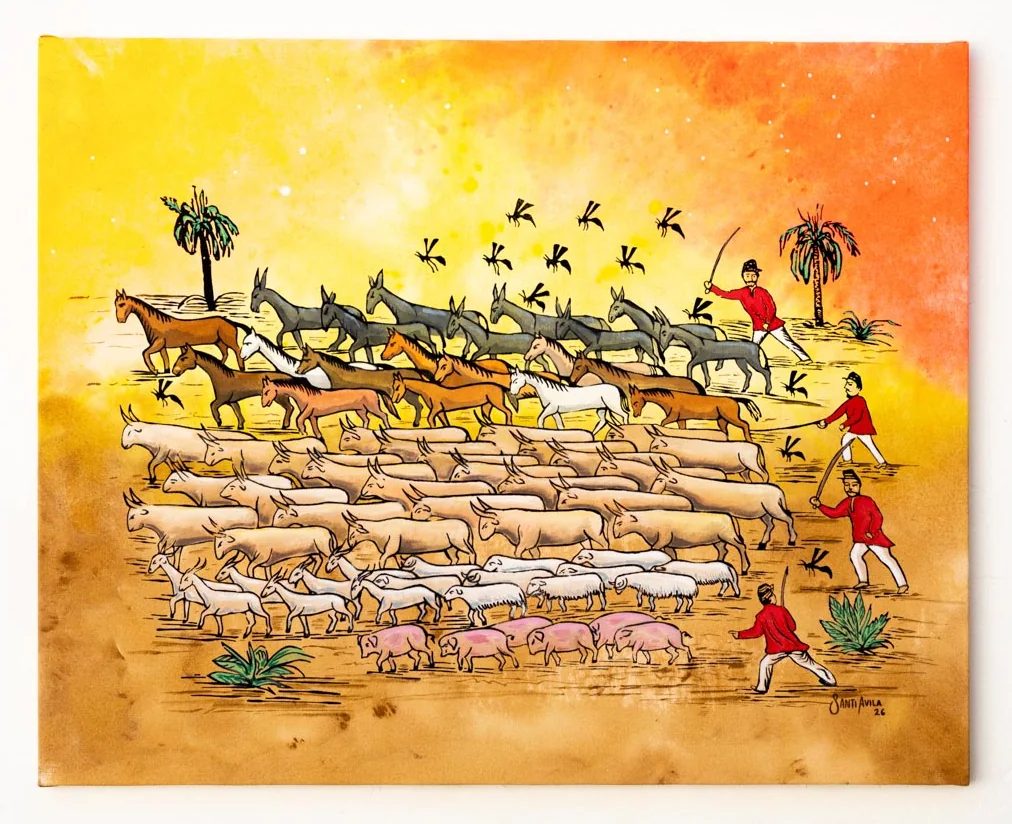
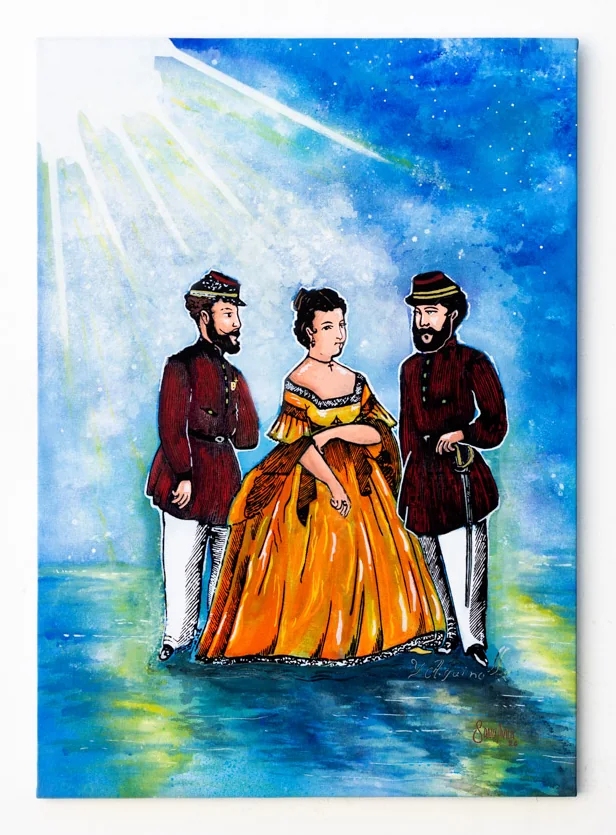
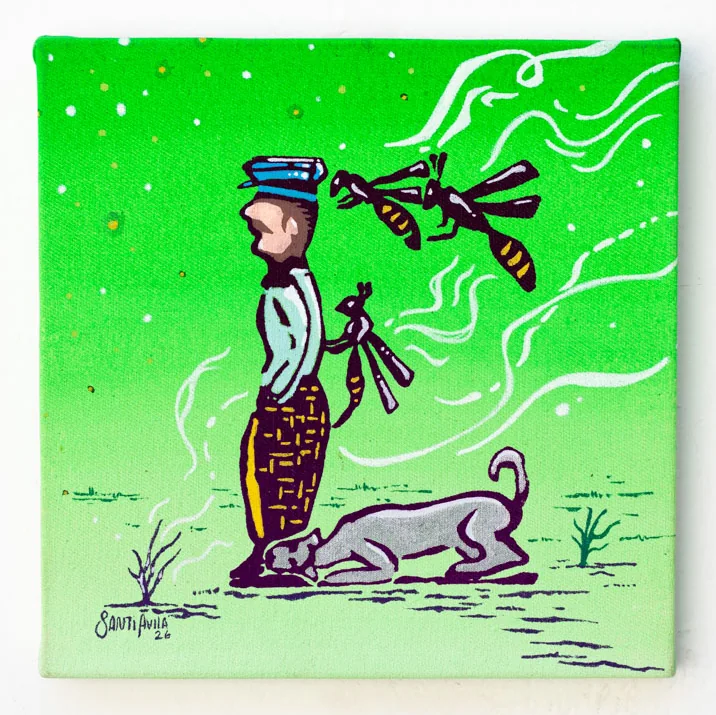
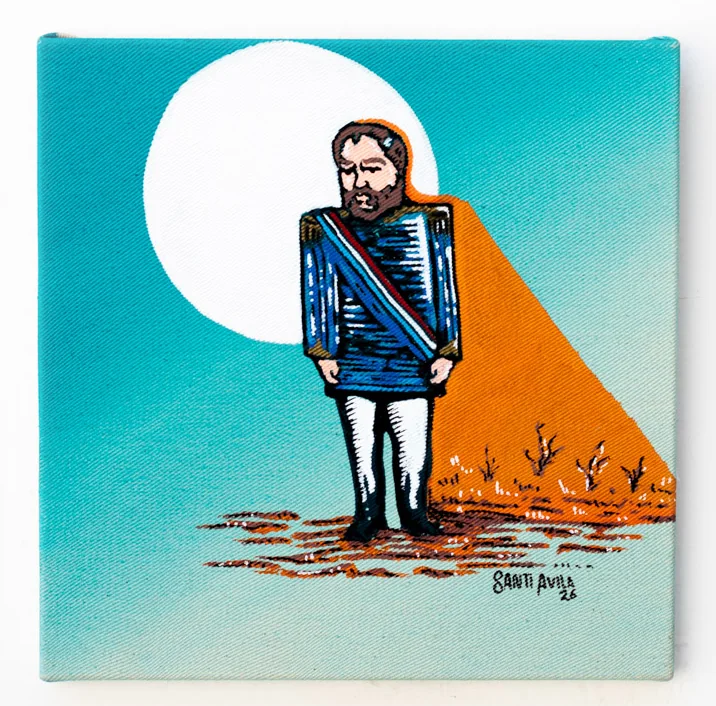
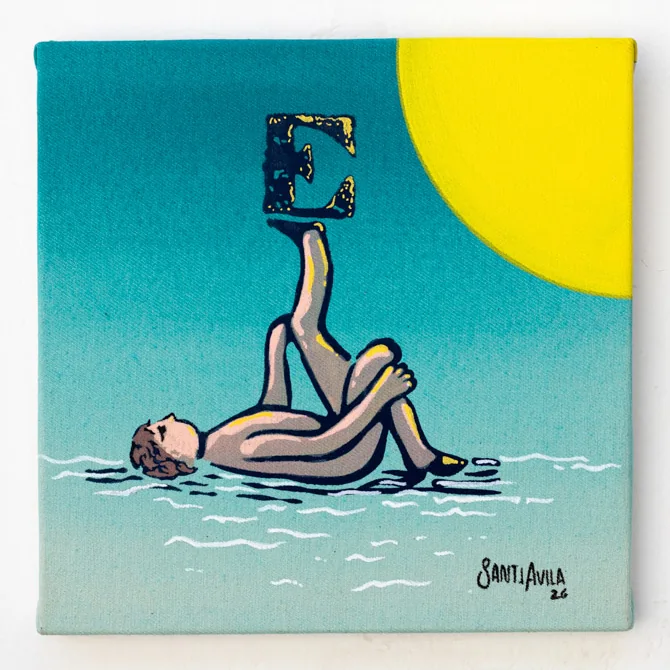
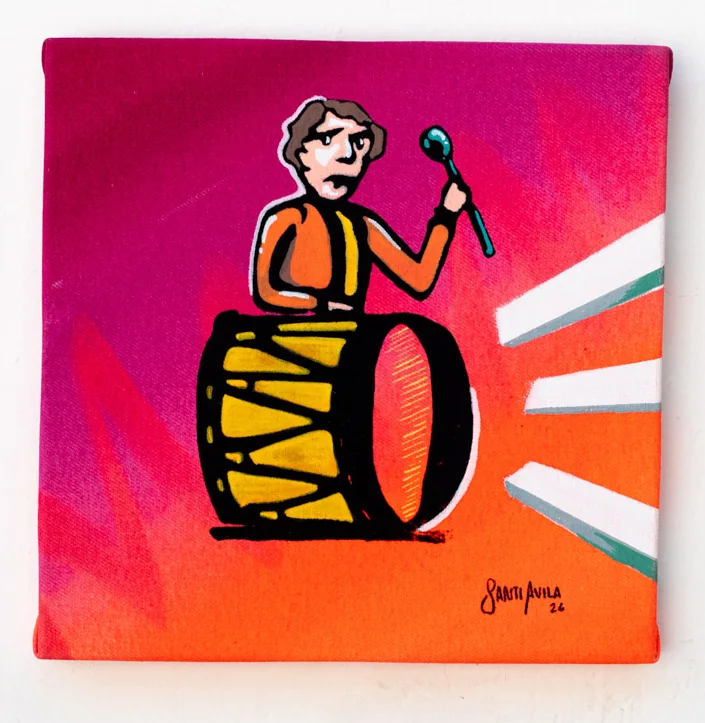
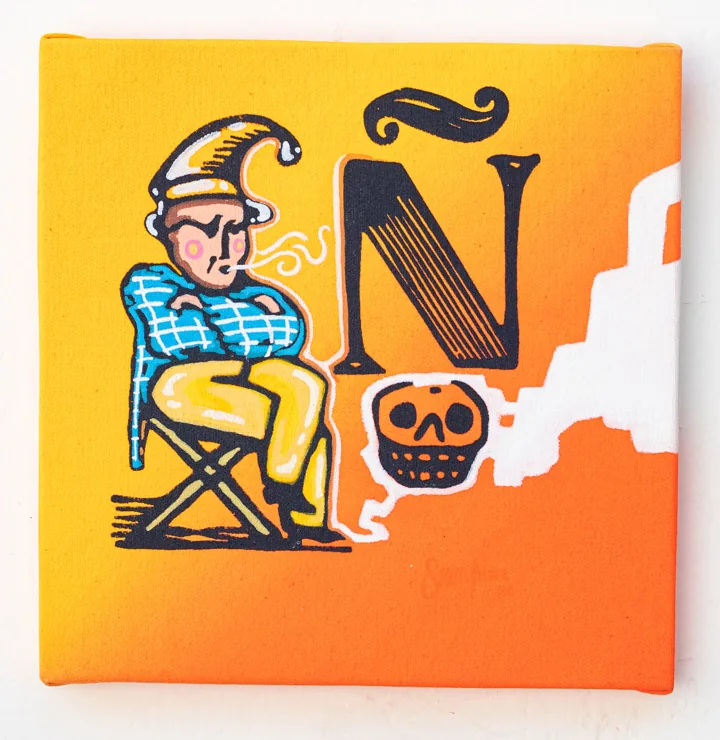
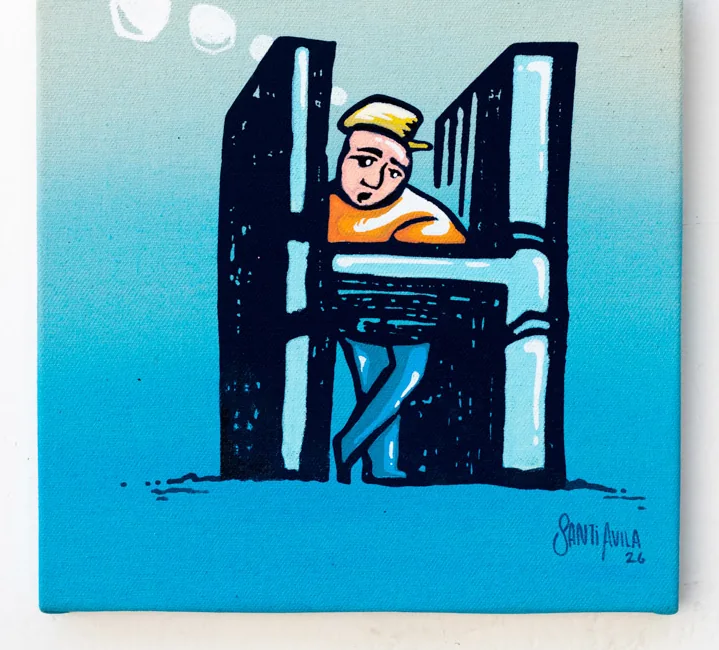
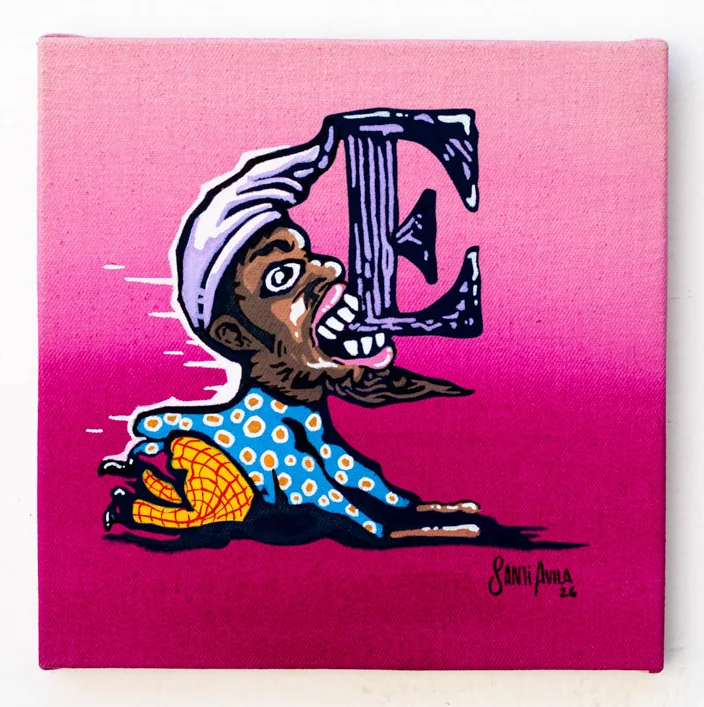
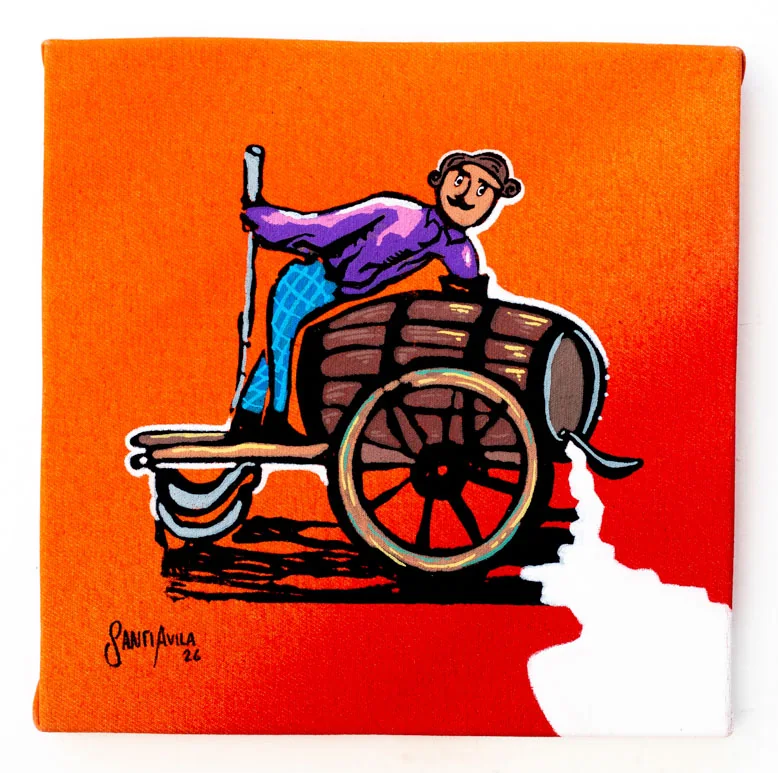
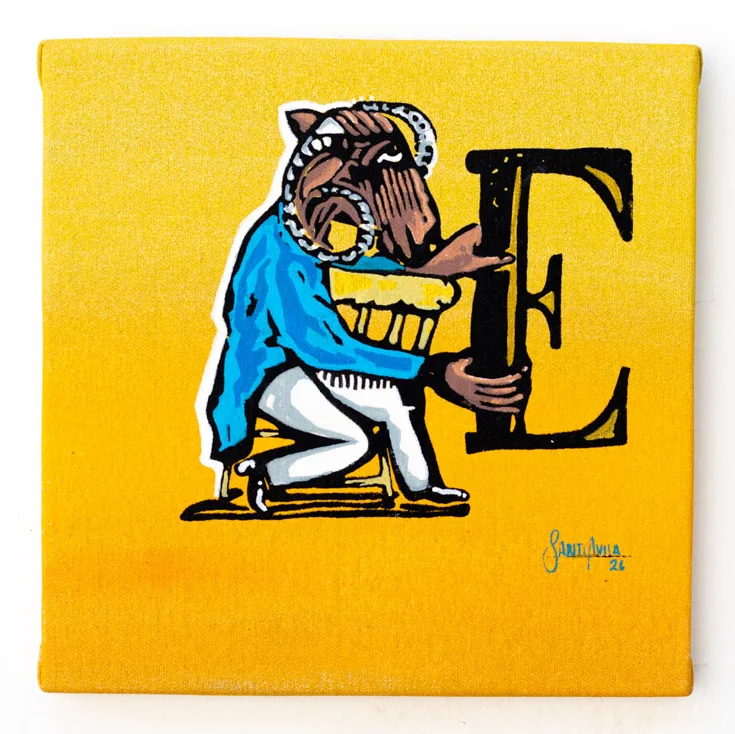
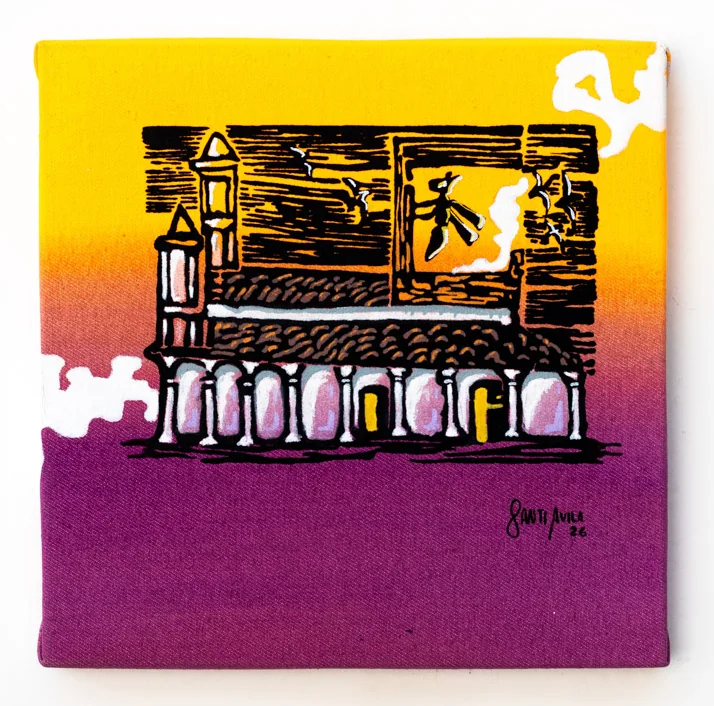
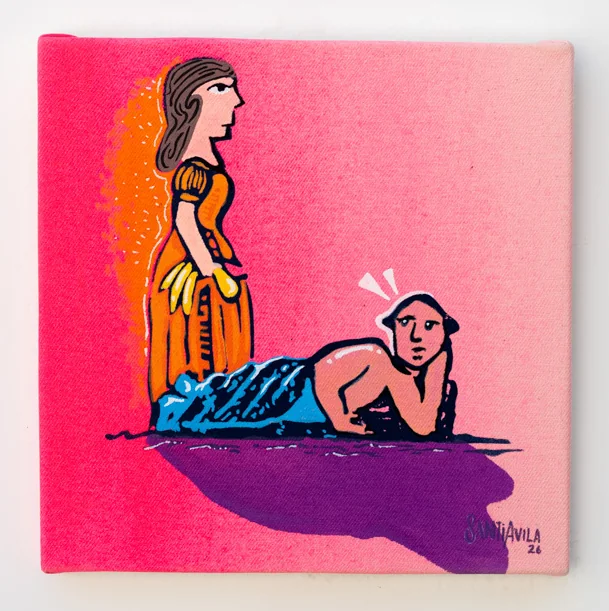
Capital letters
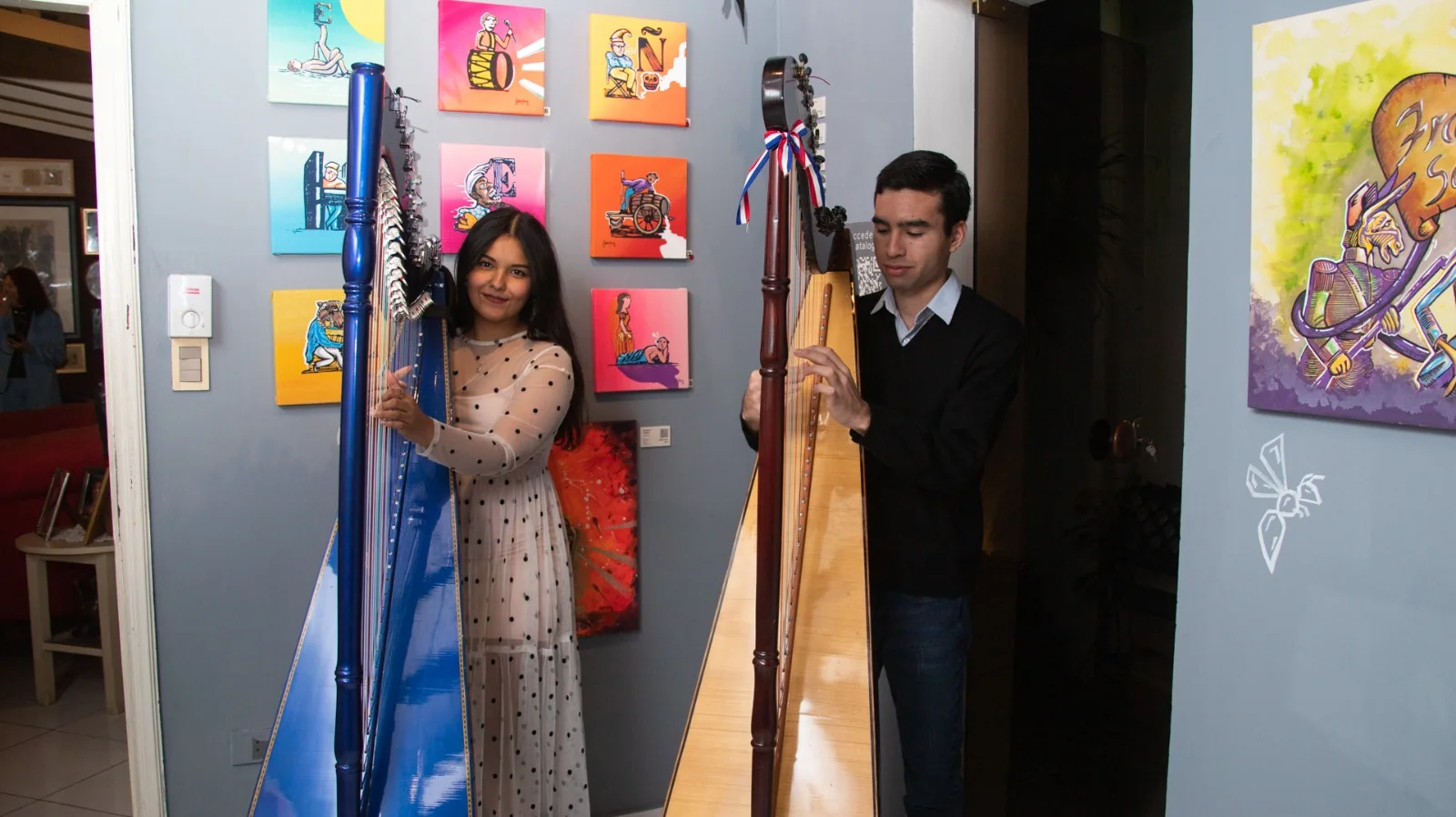
Small-format canvases, each built around a capital letter inherited from the typography of the trench newspaper.
Fabulations
(On the new creations of Santiago Ávila)
Picasso said, “To draw, you must close your eyes and sing.” At some point, in the blink of an eye, design met the veins of art and became pure expression. These works seem to expose the critical springs of the image, in the face of the advance so many images undergo — ever more present, emptied of content — before the tide that devours them, the amnesia and visual disinformation, after being subjected to the powerful, media-driven deafness that consumer society validates.
These scenes reconstruct and reinvent, with drawing and colour, from the imagination: nooks, passages and fictional gaps of interwoven plots, events that resurface between the lines, led by the hand of satire, that tacit character who wraps in intrigue the stories that contain it. Still, held on their support, cornered, when you look at them they lead you to that slant between the two ends of time, for they draw on a forgetting that endures: the liberating struggles of the Cabichuí recover some of their essence, wrap old burdens in new paradoxes — a deferred act that recreates the passage between reality and context, and reminds us of the far reaches and emancipatory poetics of art, the philosophies of time.
“Trincheras” is a subtle gaze that summons questions of the moment that have always been with us and, inspired by a reflective journalism, satirises political ploys that remain unresolved today; through riddles, it sets this scene before us: a brief and permanent act of resistance, on behalf of ideas of justice that refuse to die.
— Celso FigueredoTranslated from the Spanish original.
- Opening
- Saturday, 23 May 2026
- Venue
- Galería Pablo Ávila Arte Contemporáneo
- Address
- Rca. Dominicana 566 c/ España y Juan de Salazar, Asunción
- Part of
- Noche de Galerías, Asunción
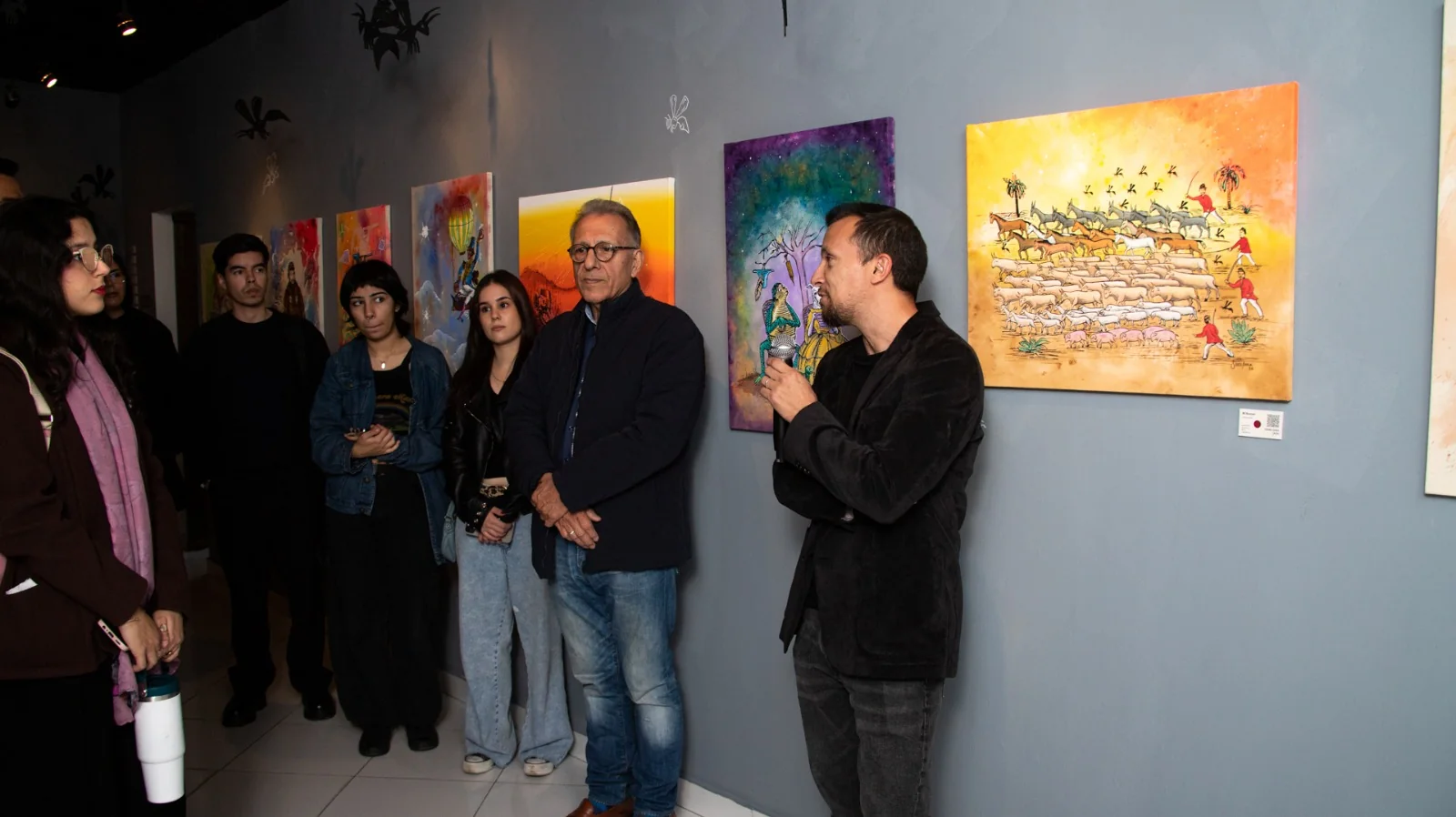
Opening night
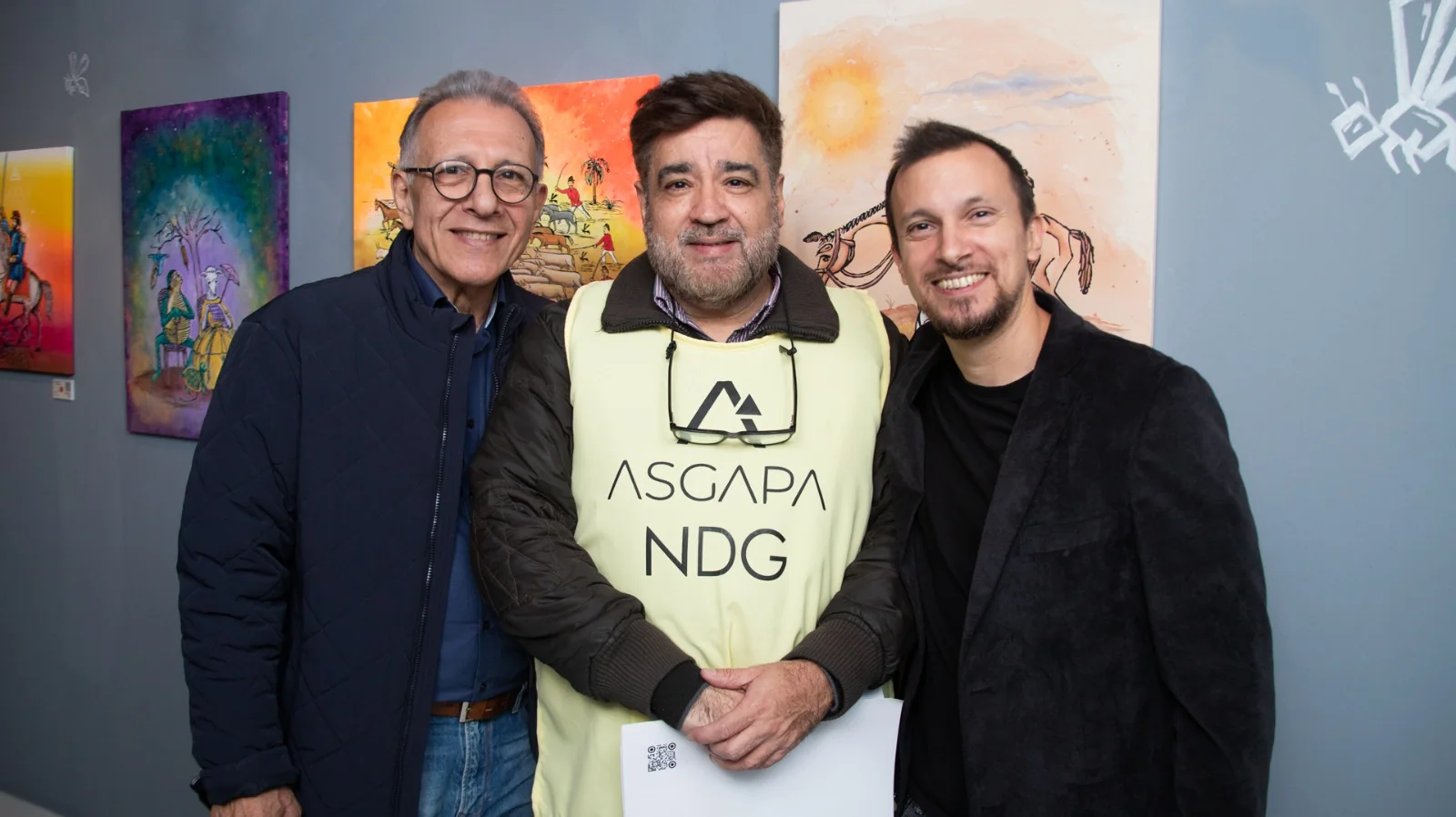
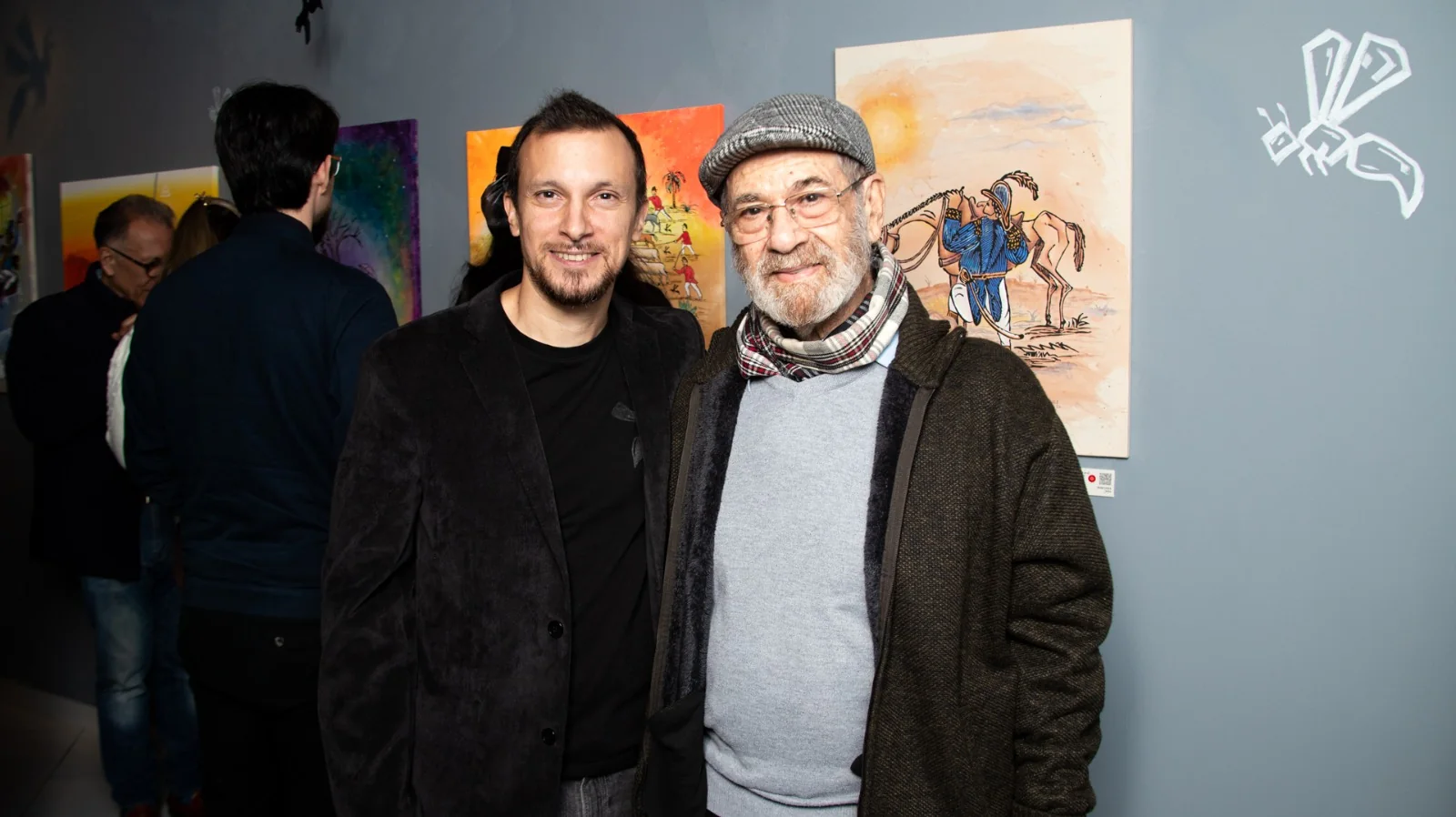
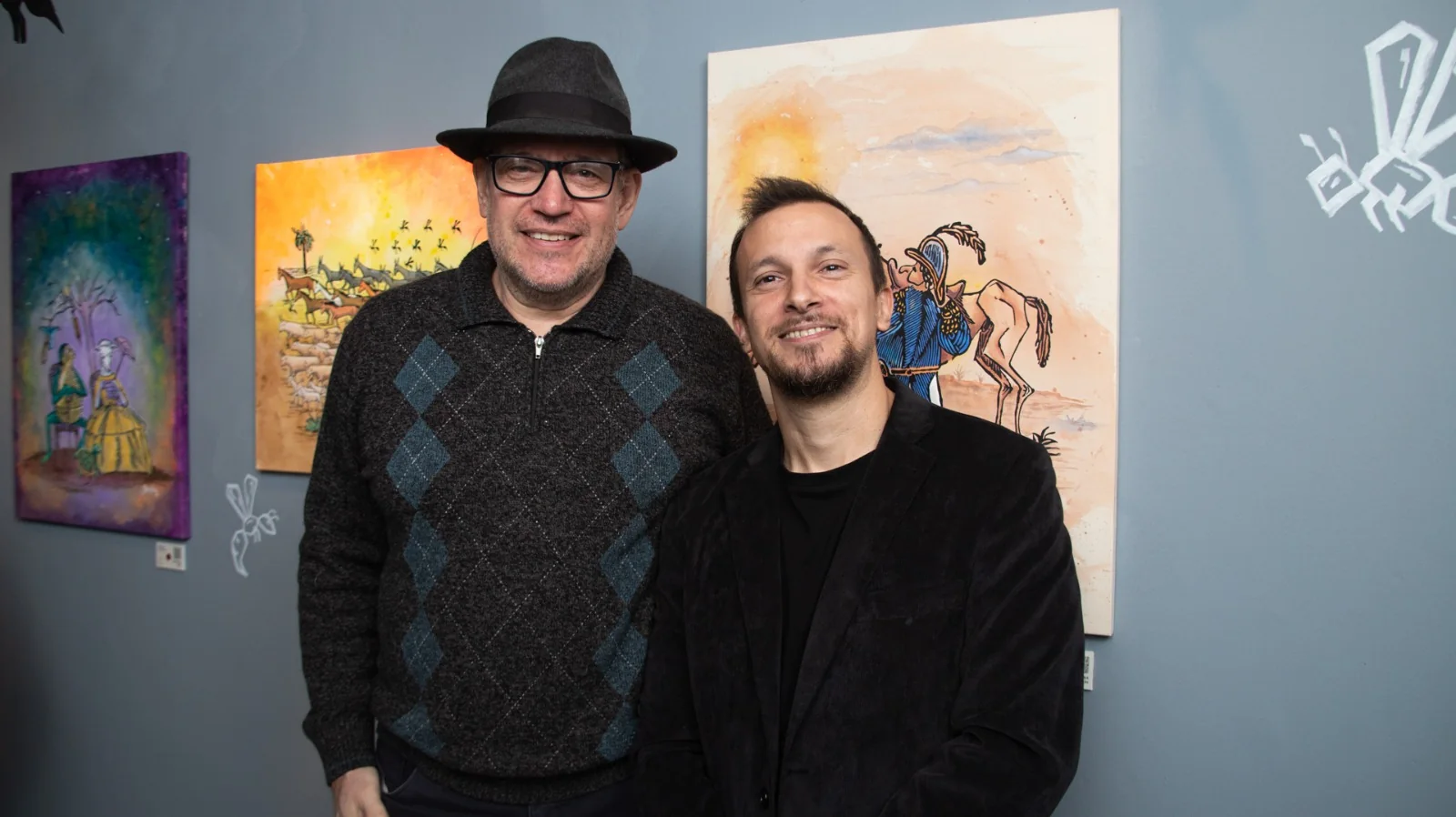
With gallerist Pablo Ávila and artists Celso Figueredo, Roberto Morelli and Jorge Ocampos, among the many people who came through the room.
Santi Ávila
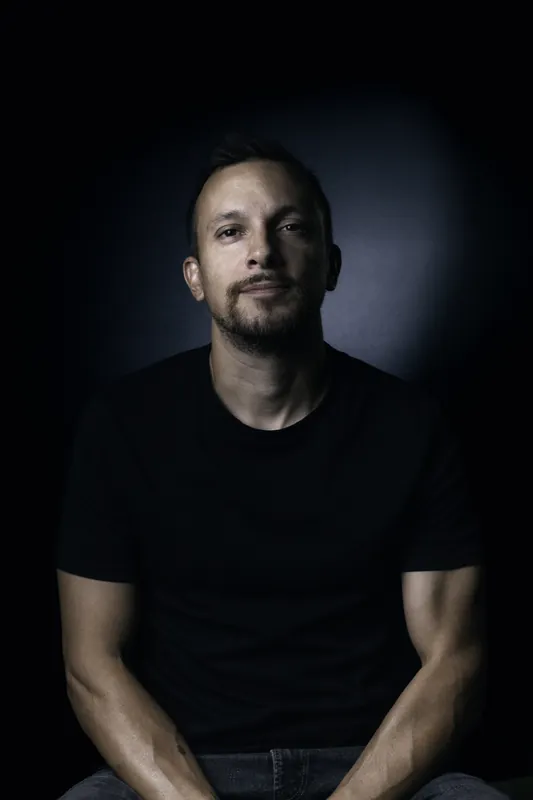
The career of Santi Ávila (Asunción, 1982) is best described as a technical reconfiguration where design and visual art converge.
After an immersive upbringing in his family’s world of galleries and visual arts, Ávila channelled his creative drive into an alternative clothing brand, which served as his testing lab for more than a decade. On textiles he developed his command of screen printing, typographic composition and texture, treating the garment as a canvas.
From 2022, that knowledge moved into a visual arts practice centred on translation: a method in which digital illustration works as an architectural blueprint that is then reworked by hand with industrial inks, acrylics, watercolours and other mixed media.
This hybrid approach, shaped by skate culture and the rigour of printmaking, questions the nature of the contemporary image and turns the historical archive into work where technology and tradition coexist with a deeply visceral materiality.
- Born
- 1982, Asunción, Paraguay
- Training
- Graphic design · Industrial design · Visual arts
- Core technique
- Screen printing + mixed media
- Visual arts practice
- Since 2022
RizomaEntramados del Origen · 2022
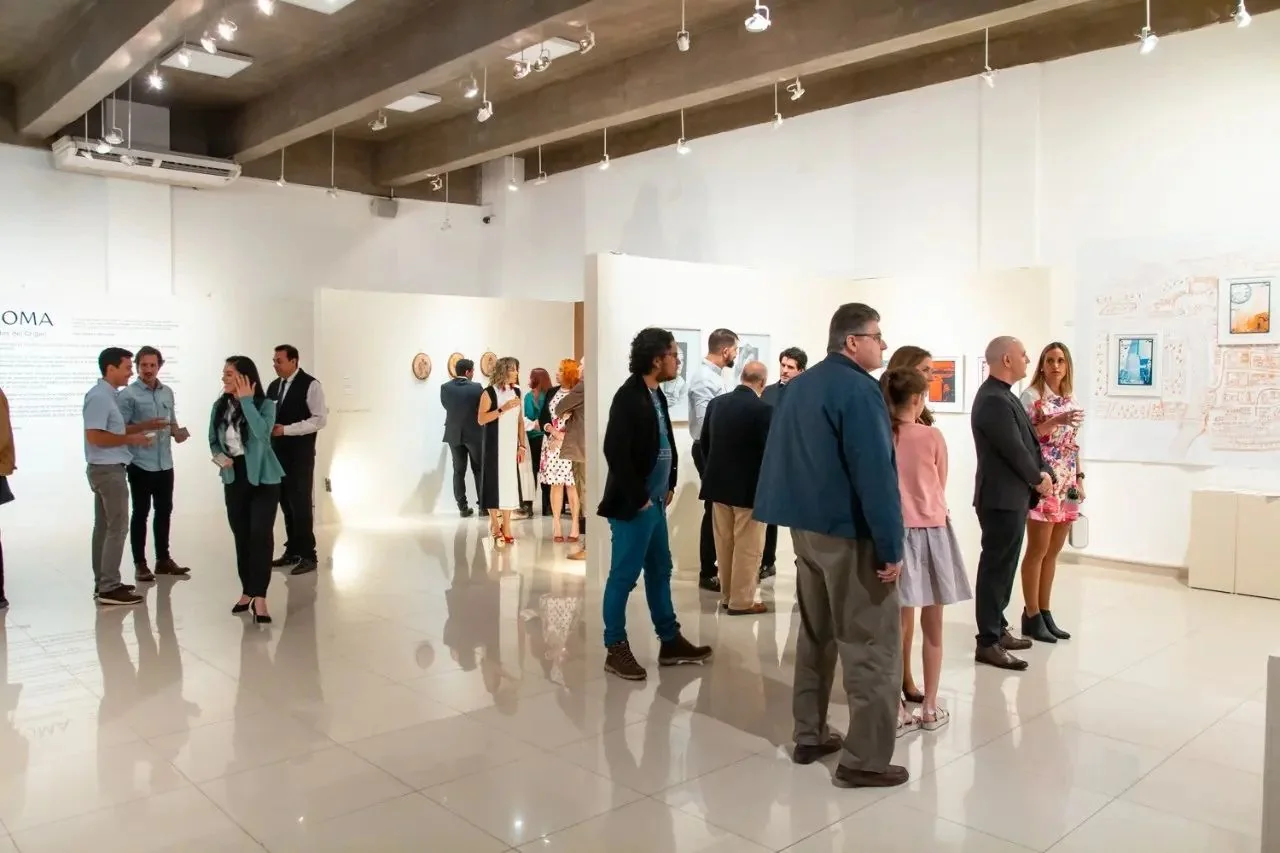
Rizoma. Entramados del Origen (“Rhizome: Weavings of Origin”) was a group exhibition held in Asunción in 2022, the year Santi Ávila formally established his visual arts practice.
He showed alongside Cristina Paoli, Diego Schäfer Paoli, Renatta Ávila Paoli and Verónica Viedma Paoli.
Studio archiveProcess, tests and earlier pieces
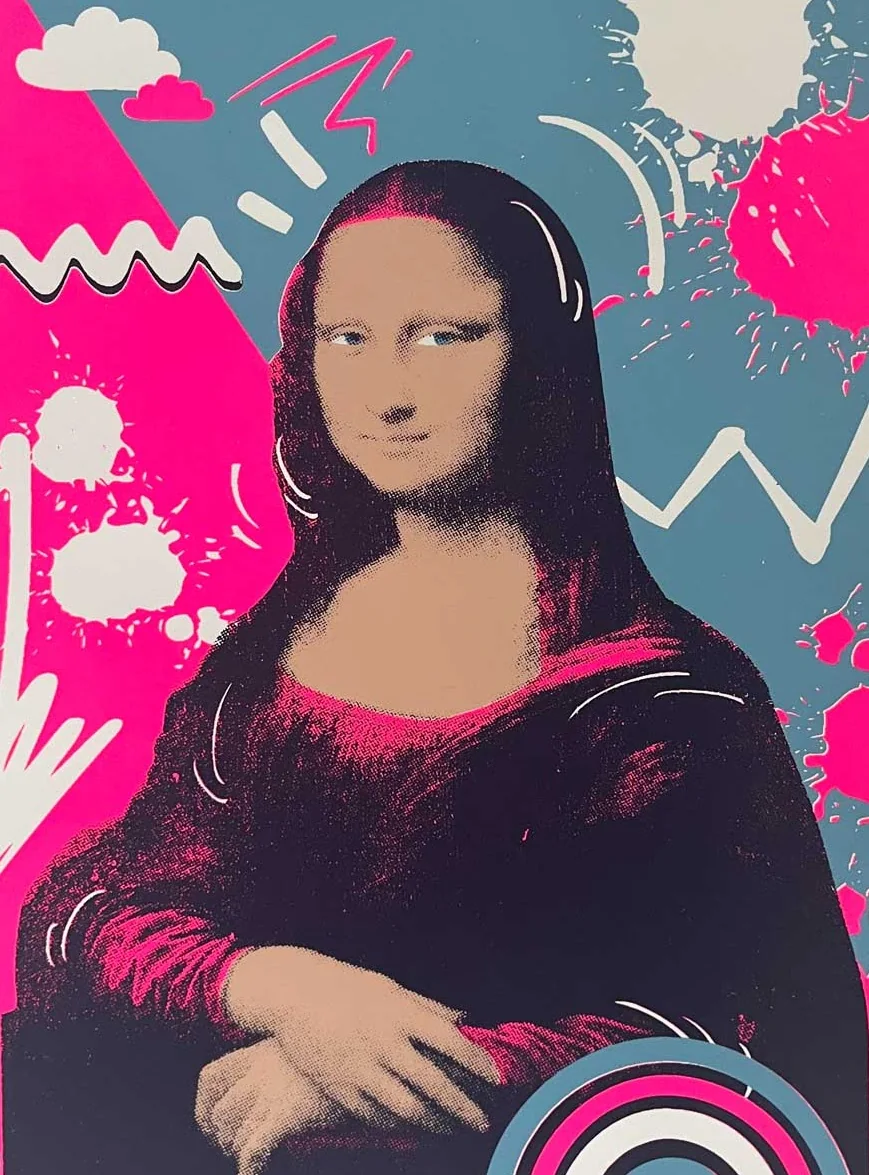
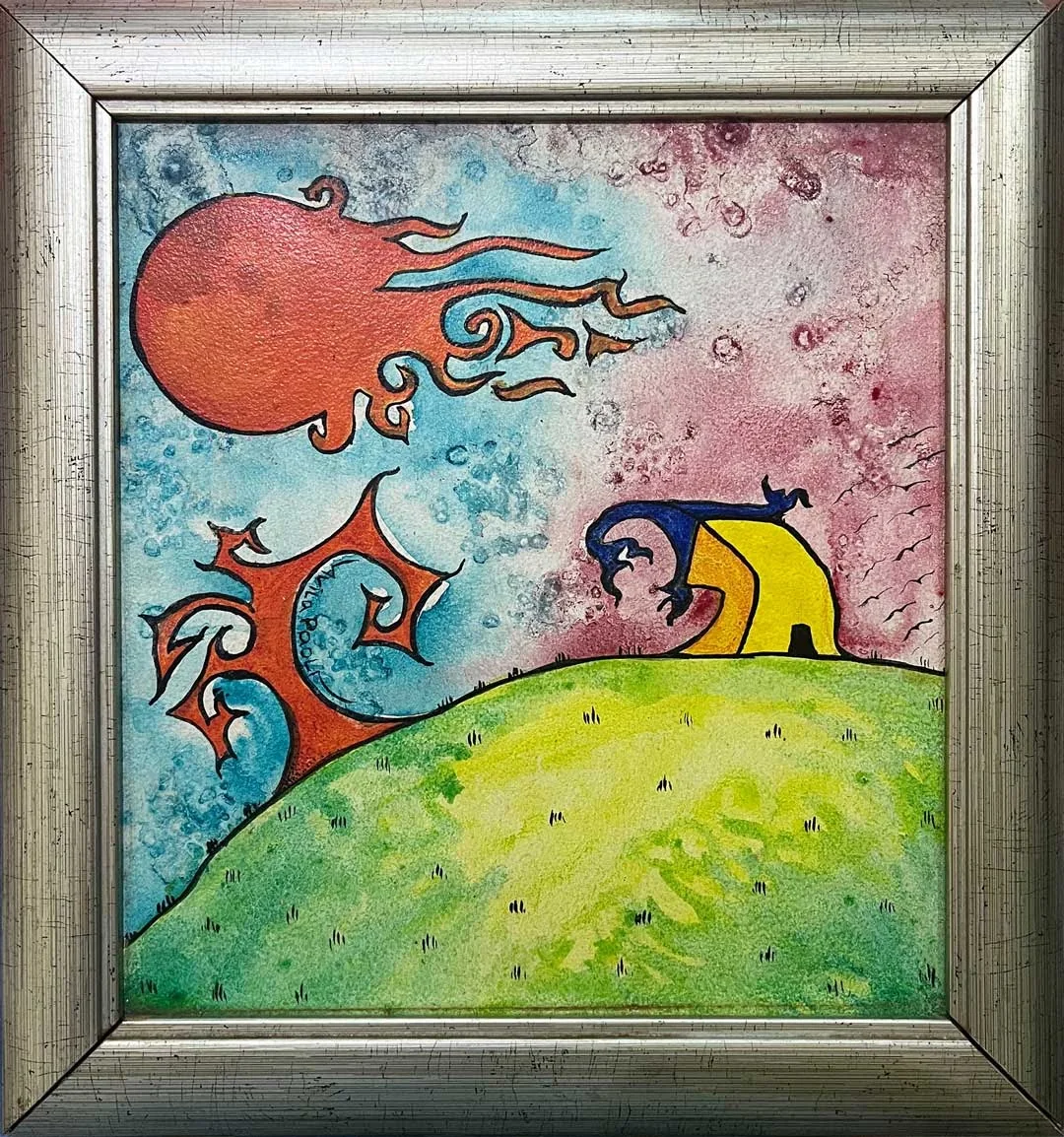
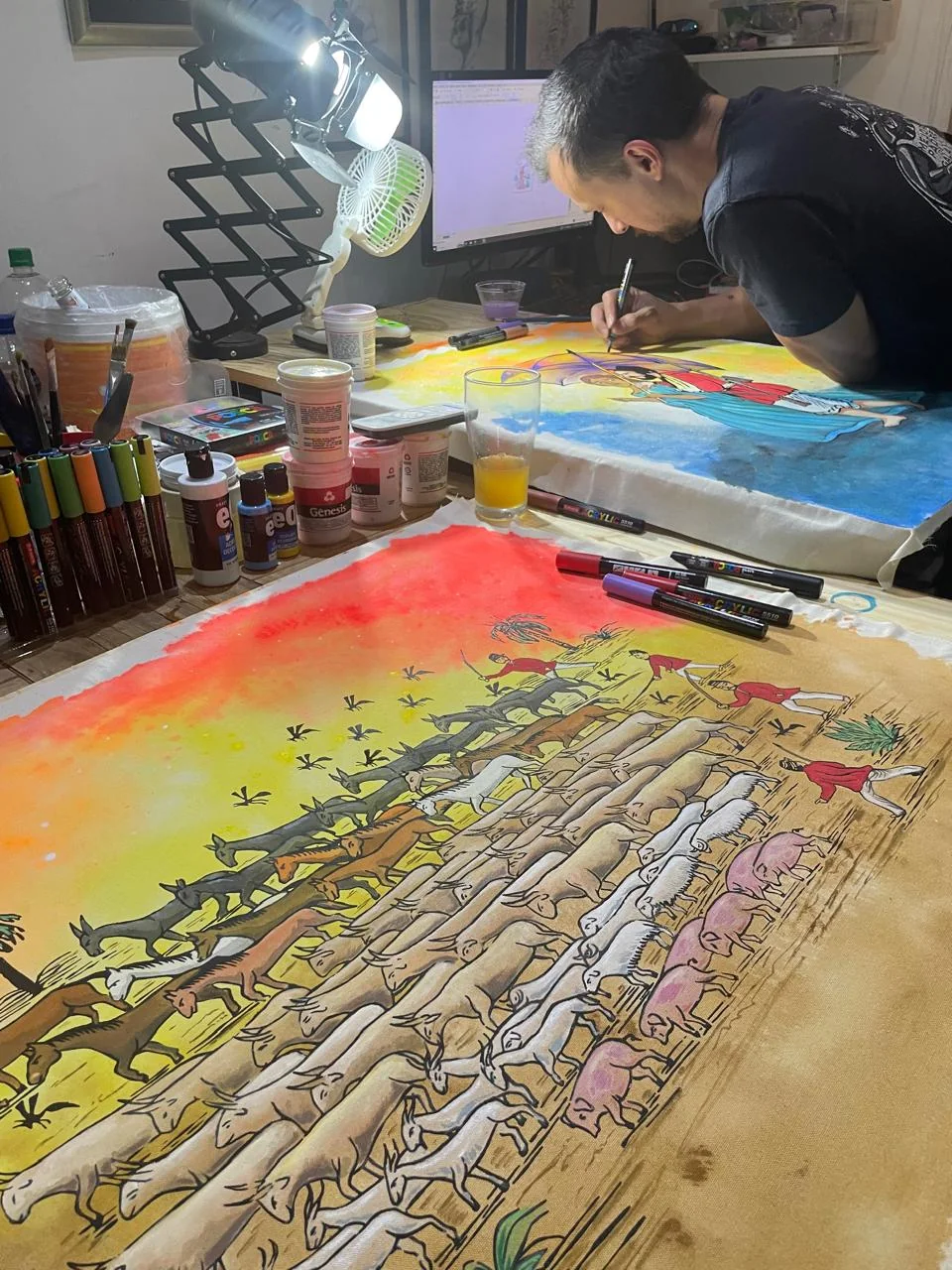
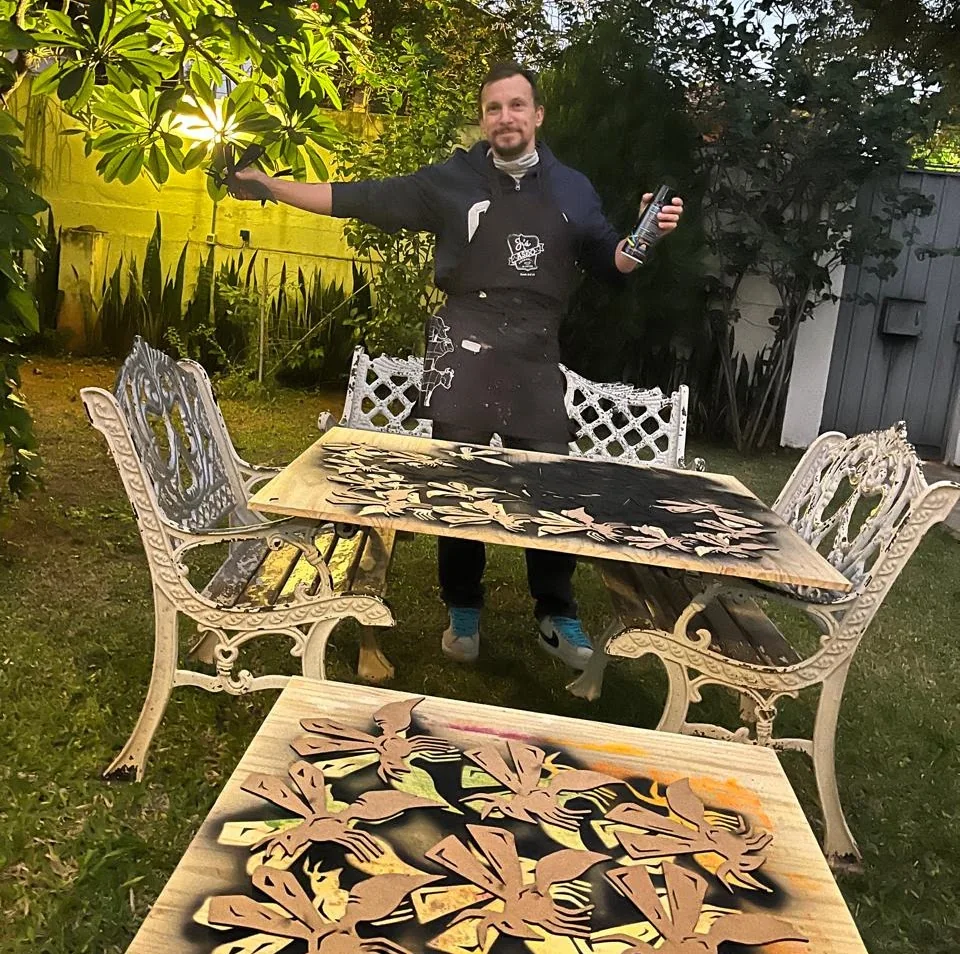
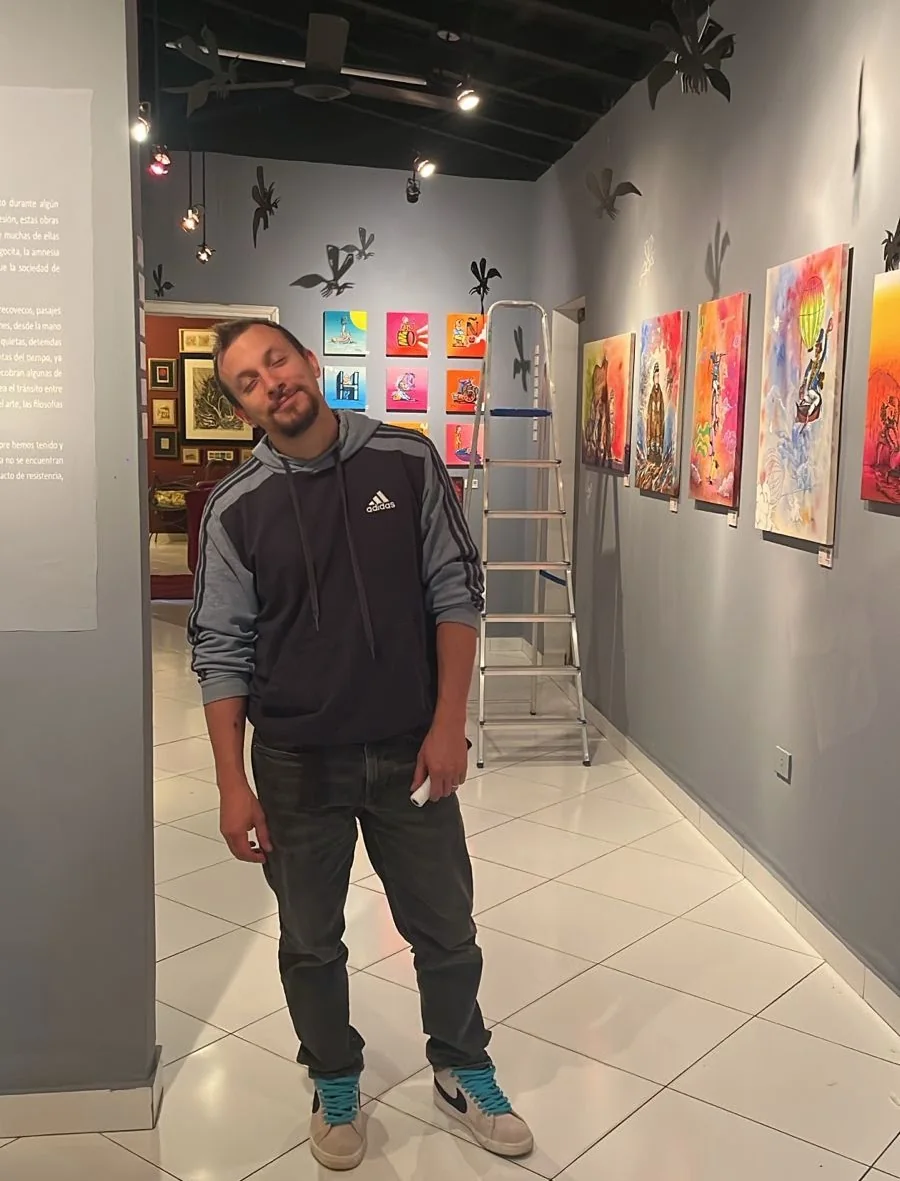
What happens before the gallery: prints, colour tests, stencils and installation. Digital illustration is the blueprint; the hand does the rest.
Let’s talk
Enquiries about available work, commissions, exhibitions, press and collaborations.